Actors Who Almost Became James Bond: A Look Back
This article explores the various actors who were considered for the iconic role of James Bond throughout the franchise's history. From Cary Grant to Henry Cavill, the piece highlights notable names and the reasons they did not ultimately land the role, providing insights into the casting decisions that shaped the legendary spy's cinematic legacy.
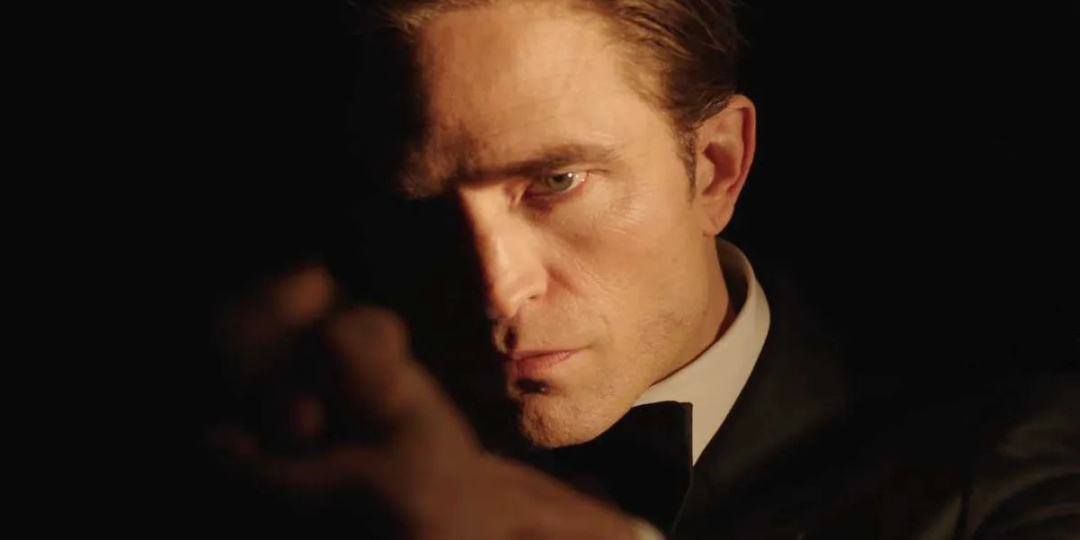
The James Bond franchise has seen a plethora of actors vying for the iconic role of Agent 007, with many notable names considered over the years. While Sean Connery, Roger Moore, and Pierce Brosnan are often recognized as the definitive Bonds, several other stars were close to donning the tuxedo but ultimately did not. This article delves into the fascinating history of casting decisions that have shaped the legacy of the world's most famous spy.
Before Sean Connery became the face of Bond in 1962's Dr. No, Cary Grant was a strong contender for the role. The two-time Oscar nominee was a major star and had a close relationship with Bond producer Albert R. Broccoli, who was even Grant's best man at his wedding. However, Grant, then 58, only wanted to commit to one film, leading to his eventual rejection for the role.
The Dead Drop Gift Shop
Sponsorship mission accomplished.
Another actor considered for Dr. No was Rex Harrison, who was already a prominent figure in Hollywood. Despite his star power, the producers opted for the lesser-known Connery, a decision that would ultimately define the franchise. Harrison went on to star in the poorly received Cleopatra and Doctor Dolittle, which may have left him regretting his missed opportunity.
As the franchise continued, Michael Caine was in the running for the role when producers sought a replacement for Connery in 1969's On Her Majesty's Secret Service. However, Caine had just portrayed an intelligence officer in The Ipcress File trilogy and was hesitant to be typecast in spy roles. The role eventually went to George Lazenby, who had the shortest tenure as Bond, featuring in just one film.
During the same casting process, Terence Stamp also expressed interest but reportedly frightened producer Harry Saltzman with his unconventional ideas for the character. Stamp suggested starting the film with Bond disguised as a Japanese warrior, a concept that did not resonate with the producers. Adam West, known for his role as Batman, also declined the opportunity, insisting that Bond should be portrayed by a British actor.
In 1971, Clint Eastwood was offered the role for Diamonds Are Forever, but he too turned it down, believing that the character should remain British. Sean Connery ultimately reprised his role for one last film in the Eon-produced franchise before stepping away.
Shifting Choices in Bond Casting History
As the franchise evolved, other actors such as Sam Neill and Liam Neeson were considered for roles in the late '80s and '90s. Neeson was offered the part for 1995's GoldenEye but had to decline due to personal commitments, as his then-fiancee Natasha Richardson made it clear that marriage would not happen if he took on the Bond role.
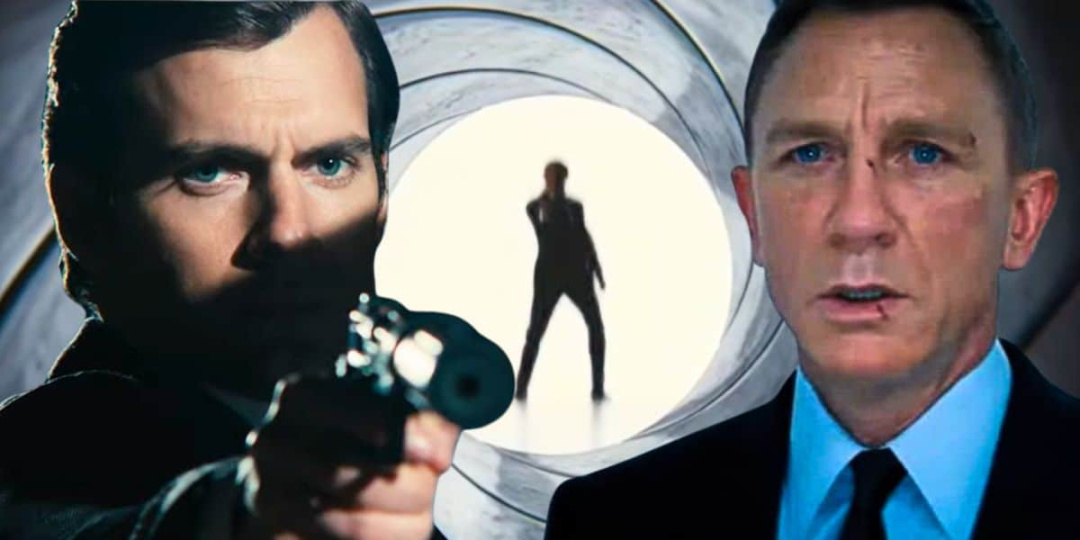
Hugh Grant was another name floated for GoldenEye, but the role ultimately went to Pierce Brosnan. More recently, Henry Cavill was director Martin Campbell's first choice for Casino Royale in 2006, but producers deemed him too young at 22, leading to Daniel Craig's casting instead. Matthew Rhys also auditioned for the same film but failed to impress the casting directors.
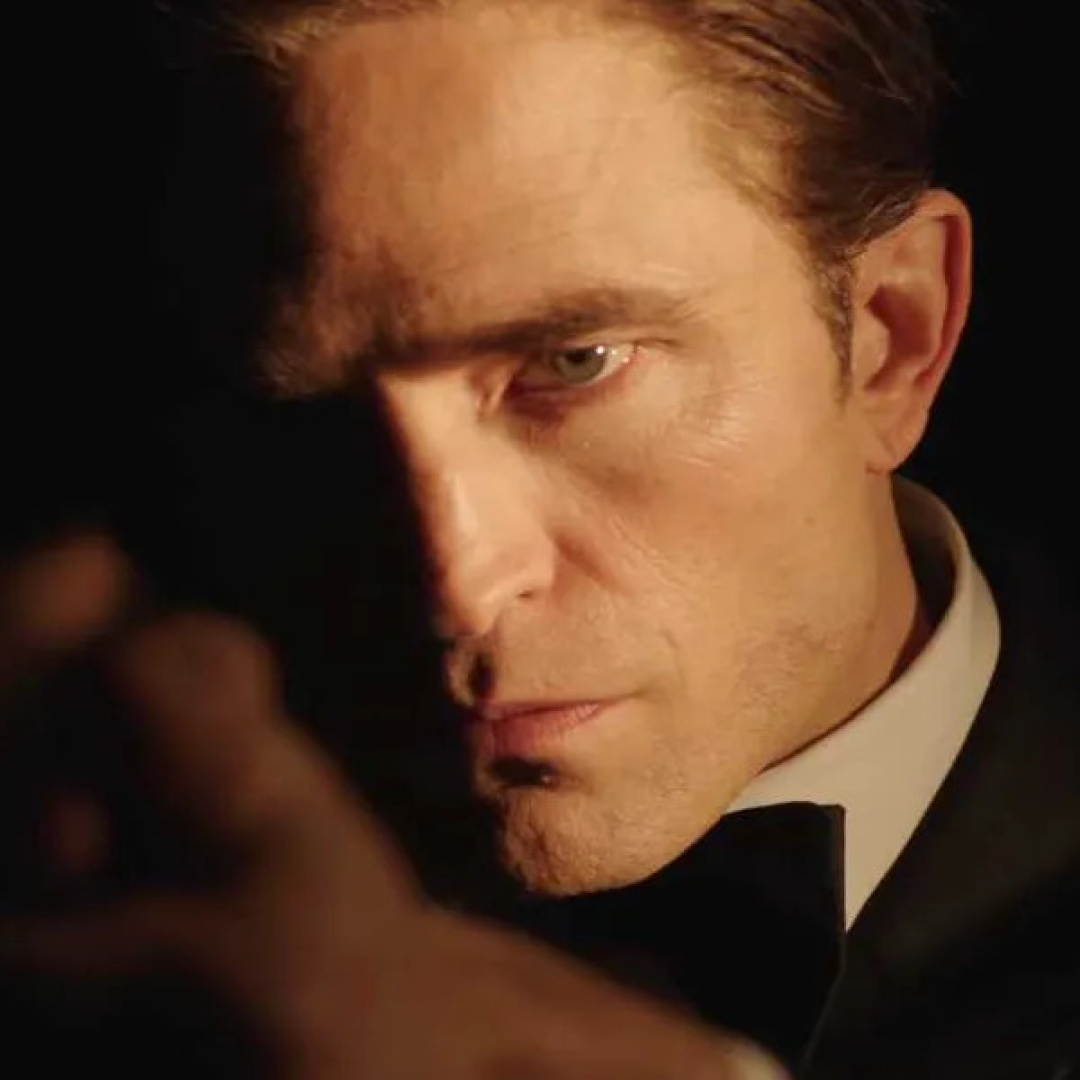
The casting process for Bond has been a rollercoaster of near-misses, with many actors coming close to stepping into the shoes of the legendary spy. Names like Ralph Fiennes, Nicholas Hoult, and Callum Turner have also been mentioned in discussions over the years, showcasing the ongoing evolution of the franchise and its willingness to consider a diverse range of talent for the iconic role.
The Debrief
The legacy of casting decisions in the James Bond franchise is a testament to the evolving nature of cinema and audience expectations. The actors who were considered but never cast reflect the shifting landscape of Hollywood and the various interpretations of what makes a compelling Bond. As the franchise looks to the future, the conversations around casting continue, emphasizing the importance of finding the right fit for the character that has captivated audiences for decades.
The journey of the James Bond franchise is marked not only by the actors who have played the role but also by those who came close. Each casting decision has left an indelible mark on the series, shaping its direction and influence in popular culture. As fans continue to speculate on who might be the next Bond, the history of those who almost took on the role serves as a fascinating reminder of the franchise's rich legacy and the ongoing allure of its central character.