Surveillance of Sir Michael Tippett: MI5 Files Uncovered
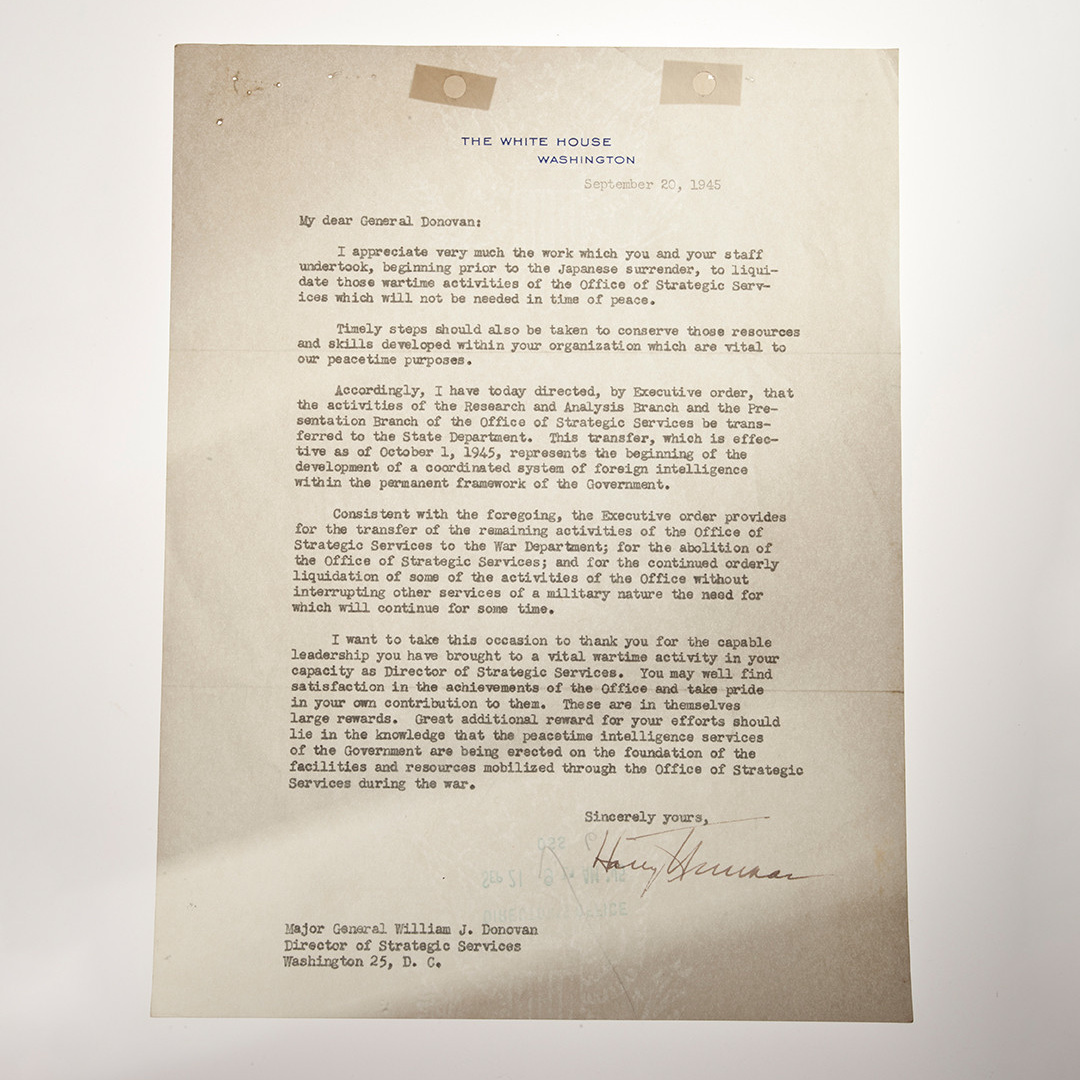
Recently released MI5 files reveal the extensive surveillance of Sir Michael Tippett, a prominent British composer, by the Security Service and police from 1934 until the late 1960s. The files document his brief Communist Party membership, pacifism, and the British state's evolving perception of him as a potential threat.
On December 12, 1934, Colonel Sir Vernon Kell, head of MI5, sent a letter to the Chief Constable of Surrey, expressing concern over a resident of Whitegates Cottage in Oxted who was a member of the Communist Party of Great Britain. He requested a description of this individual, emphasizing the importance of keeping the inquiry confidential. This individual was Michael Tippett, a music teacher who would later become one of Britain's most significant composers. The newly released MI5 files, catalogued as KV 2/4859–4860, provide a fascinating glimpse into how the British state monitored Tippett for over thirty years, ultimately concluding that he posed little threat.
Michael Tippett (1905–1998) is often mentioned alongside Benjamin Britten as a key figure in modern British classical music. His oratorio "A Child of Our Time," which addressed the persecution of Jews during Nazi Germany, became a staple of the postwar choral repertoire. His operas, starting with "The Midsummer Marriage," were performed at prestigious venues like Covent Garden, and he was knighted in 1966.
The Dead Drop Gift Shop
Sponsorship mission accomplished.
Tippett's political beliefs, particularly his leftist leanings and pacifism, drew the attention of MI5. Although he joined the Communist Party in 1934, his membership was short-lived. The files indicate that MI5 and Special Branch tracked his political activities throughout the mid-1930s as he shifted towards Trotskyism. A report from the era references a "Michel Tipett" as an active member of the Trotskyist movement, highlighting his involvement in the political landscape of the time.
By 1944, MI5 officers began to assess the nature of Tippett's political affiliations. One officer noted that his connections to Trotskyism were more concerning than his pacifist stance. The war years yielded some of the most revealing documentation. A police superintendent in Surrey reported on the "Oxted Pacifist Group," labeling Tippett a "red" and noting his fervent opposition to government policies at Labour Party meetings.
An intriguing American connection emerged when wartime censors intercepted a letter addressed to a trainee in Alabama, mentioning a friend who had stayed with Tippett, described as a local refuge for conscientious objectors. Tippett registered as a conscientious objector in 1940, but when he refused to comply with the tribunal's conditions for civil service, he was sentenced to three months in prison in 1943.
Ralph Vaughan Williams' Support for Tippett
The files also contain a remarkable character reference from Ralph Vaughan Williams, one of Britain's most esteemed composers, who testified on Tippett's behalf, acknowledging their differing views but praising his artistic contributions. After serving two months in Wormwood Scrubs, Tippett's surveillance continued post-war. In June 1948, upon returning from a trip to Eastern Europe, he was discreetly searched by customs, which found papers related to the Musicians' Union and communist literature.
In 1951, MI5 requested further information from Surrey police, noting a resurgence of Tippett's interest in communism. A Special Branch report described him in detail, emphasizing his physical appearance and political affiliations. A particularly amusing document from February 1955 noted that during the performance of "The Midsummer Marriage," Tippett was labeled a "communist of many years standing," with the opera's villain characterized as a capitalist tycoon, reflecting Tippett's political leanings.
Closing the File
As the years progressed, Tippett became increasingly involved with the Peace Pledge Union, a leading pacifist organization in Britain. MI5 monitored his speeches against nuclear disarmament and his work on the documentary "Let My People Go," which addressed apartheid in South Africa. Despite his past affiliations, MI5 consistently cleared him for international engagements, acknowledging that his earlier political activities did not warrant concern.
By the late 1960s, MI5's files on Tippett revealed a significant shift in perception. The once-watched artist had been knighted for his contributions to music, and the security service concluded that his past affiliations with communism and pacifism did not pose a real threat. The files, released by The National Archives, offer a unique insight into the intersection of art and state surveillance, illustrating how perceptions of individuals can evolve over time, particularly in the context of political climate and personal beliefs.