Dead Drop Method Used in Tiger Shroff Shooting Incident
In a recent incident involving an attack on actor Tiger Shroff, the shooters received their weapons through a dead drop arrangement just a day prior to the attack. The method, borrowed from espionage tradecraft, has been increasingly utilized in organized crime, highlighting its relevance in contemporary investigations.
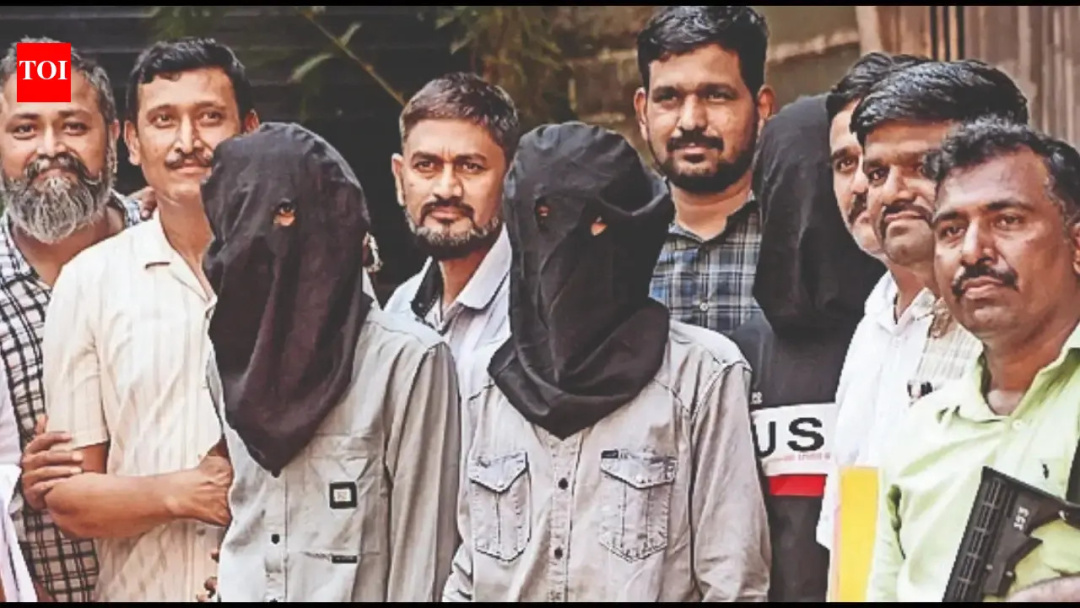
In a shocking development related to the attack on actor Tiger Shroff, it has been revealed that the shooters obtained their weapons via a dead drop arrangement on October 17, just one day before the incident. The couriers involved, identified as Babita and Radha, were arrested after delivering the weapons at New Delhi Railway Station, where they were handed over by a key supplier named Kunal, who is also in custody. Kunal has reportedly been in contact with notorious gangsters Anil Pandit and Randeep Malik for over two months, and he was previously linked to the murder of a forex-hawala trader in Sonipat last year.
According to officials, Kunal had been relaying instructions from Pandit to the two women after dropping them off at the station on October 15. Following their arrival in Mumbai on October 17, the women checked into a hotel and one of the shooters collected a bag containing the weapons at a secluded location near the hotel around 11 AM. This incident underscores the alarming trend of using dead drop methods, which are increasingly appearing in investigations involving terror modules, drug cartels, and organized crime groups.
The Dead Drop Gift Shop
Sponsorship mission accomplished.
The dead drop technique, which involves leaving items at a predetermined location for collection without direct contact, has been adapted from traditional espionage practices. Law enforcement agencies have noted a rise in non-contact logistics where handlers use encrypted messaging to direct operatives to specific locations to retrieve weapons, funds, and synthetic drugs. Notable examples of this method have emerged in cases involving IS-linked terror modules and cross-border operations involving drone-dropped payloads.
The Debrief
Investigators are employing advanced techniques to reconstruct the digital footprints of these operations. They analyze chat logs, GPS coordinates, and CCTV footage to establish timelines of events. By utilizing technical surveillance, cell tower dumps, and financial intelligence linked to encrypted communications, agencies are increasingly successful in intercepting these isolated drop routines, effectively disrupting the supply chain of unverified supplier-courier links.
The implications of such methods extend beyond individual cases, as they reflect a broader trend in criminal operations that leverage technology and clandestine techniques to evade law enforcement. The increasing sophistication of these methods poses significant challenges for authorities tasked with maintaining public safety and security. As the investigation into the Tiger Shroff shooting continues, the use of dead drops may reveal deeper connections within organized crime networks and their operational strategies.