Chinese Professor's Espionage Conviction Upheld by South Korean Court
South Korea's Supreme Court has upheld a five-year prison sentence for a Chinese university professor, identified as 'Qing', convicted of espionage for conspiring with a Chinese intelligence handler to recruit South Korean soldiers and gather military secrets, including information on the THAAD missile defense system.
In a significant ruling, South Korea's Supreme Court has upheld a five-year prison sentence for a Chinese university professor convicted of espionage. The professor, known only as "Qing", was found guilty of conspiring with a Chinese intelligence handler to recruit active-duty South Korean soldiers and obtain sensitive military secrets, including details on the American-supplied THAAD (Terminal High Altitude Area Defense) missile defense system.
The espionage operation, which Qing was involved in, was reportedly orchestrated by a spy cell referred to as "Ken Jake", led by Chinese Chief Case Officer Liu Nannan. This cell focused on collecting high-value secrets from both South Korea and Taiwan through human intelligence (HUMINT) targeting. Investigators revealed that the intelligence gathered by Qing included plans for US-South Korea joint military exercises, activities related to Taiwan, and the location of a South Korean Navy vessel.
The Dead Drop Gift Shop
Sponsorship mission accomplished.
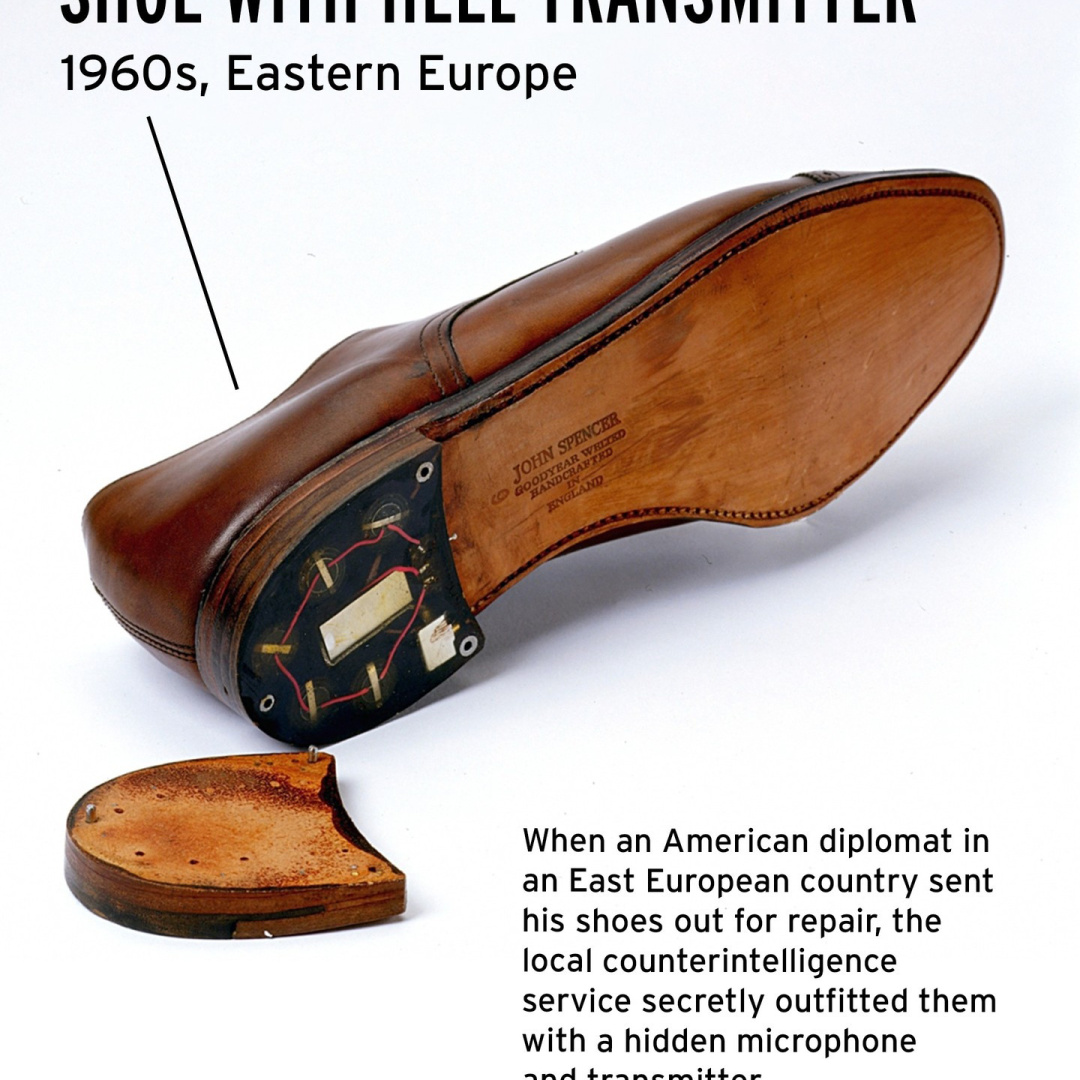
Qing's activities spanned from May 2024 to March 2025, during which he utilized social media platforms to approach South Korean soldiers, offering cash payments in exchange for classified information. To evade detection, he employed espionage tools, including a hidden camera in a wristwatch, to facilitate meetings without revealing his identity. Additionally, Qing made several trips to Jeju Island, where he established a dead-drop infrastructure to facilitate the exchange of stolen intelligence.
Expanding Recruitment Efforts in Espionage
During this time, Qing successfully recruited individuals such as Navy Corporal Jung Da-jung and Choi Hong-jae, a military conscript who allegedly received ₩ 7.1 million (approximately US $5,100) for providing military intelligence. Furthermore, Qing attempted to infiltrate anti-China and pro-Taiwan independence groups, seeking close access to an unnamed female Taiwanese politician, indicating the breadth of his espionage efforts.
Closing the File
The South Korean Defense Counterintelligence Command (DCC) conducted an undercover investigation that ultimately led to Qing's arrest in March 2025 while he was engaged in a dead-drop exchange on Jeju Island. DCC Lead Investigator Bang Tu-Cheol posed as an active-duty military asset, building credibility by feeding Qing fake documents, which culminated in a meeting on Jeju Island. This operation unveiled a broader network vulnerability, as Chinese intelligence was found to have sent material obtained from Choi to Bang for cross-verification. This connection allowed investigators to link previously separate espionage cases, further exposing the activities of the "Ken Jake" cell.
The implications of this case are profound, highlighting the ongoing risks posed by foreign intelligence operations targeting military personnel and sensitive information in South Korea. As the geopolitical landscape continues to evolve, incidents like these underscore the critical need for vigilance and robust counterintelligence measures to safeguard national security.