Former BND Chief August Hanning Arrested for Espionage and Treason
August Hanning, the former head of Germany's Federal Intelligence Service (BND), has been arrested on charges of espionage and treason. The allegations, if confirmed, represent a historic espionage case for Germany, involving sensitive information and foreign intelligence contacts.
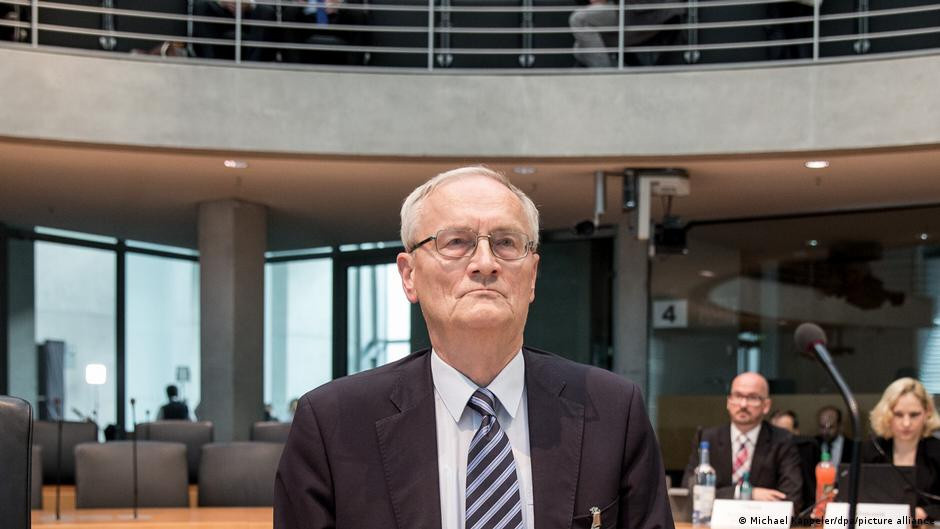
The arrest of August Hanning, the former head of Germany's Federal Intelligence Service (BND), marks a significant moment in the country's intelligence history. Hanning, who led the BND from 1998 to 2005, is facing serious accusations of espionage, treason, and attempted treason, with the federal prosecutor's office detailing a case that could have profound implications for Germany's intelligence community.
At 80 years old, Hanning's career in the security apparatus has been extensive, culminating in his leadership of the BND. Following his tenure, he transitioned to the private sector as a security consultant. However, his recent arrest has brought to light allegations of a much darker nature. According to prosecutors, Hanning is accused of receiving nearly 2,000 classified BND documents from his former chief-of-staff, identified only as Manfred D.*, in exchange for money. These documents reportedly included sensitive information that Hanning allegedly used in his consultancy work.
The Dead Drop Gift Shop
Sponsorship mission accomplished.
The most alarming aspect of the allegations is Hanning's purported long-term contact with an employee of a foreign intelligence service. While the specific country involved has not been disclosed, it has been clarified that it is not Russia. Investigators have indicated that Hanning may have leaked classified information regarding high-level meetings among German security officials, discussions that included critical topics such as the Iranian nuclear program and analyses of the Russian military.
The implications of these leaks extend beyond individual accountability; they threaten the trust and cooperation Germany has with its foreign intelligence partners. The sharing of sensitive information could undermine future collaborative efforts and damage the reputation of the BND on the international stage.
Hanning's involvement in espionage allegations is not entirely unprecedented in the history of the BND, which has seen various scandals over the decades. Notably, in the 1960s, Heinz Felfe was discovered to be working for the KGB while heading a counterintelligence division. More recently, a BND employee was exposed as a spy for the CIA in 2014, and another agent is currently on trial for leaking secrets to Russia's FSB.
Political Fallout from Hanning's Arrest
The political ramifications of Hanning's arrest are already being felt. Critics from various parties have voiced concerns about the integrity of Germany's intelligence services. Günter Krings of the Christian Democratic Union (CDU) expressed that the mere suspicion against a former BND chief could severely damage public trust in security agencies. Meanwhile, Konstantin von Notz from the Green Party has called for heightened scrutiny of lobbying activities involving former intelligence officials, emphasizing that such roles could serve as gateways for foreign intelligence infiltration.
The investigation into Hanning began following a separate inquiry linked to a kidnapping case involving the heiress Christina Block. During a police search of Hanning's properties in 2025, investigators discovered electronic devices containing top-secret BND documents, which prompted a covert investigation into his activities.
The Final Read
As the case unfolds, the BND has stated that it initiated internal investigations promptly, reinforcing its commitment to maintaining internal security. Current BND President Martin Jäger has emphasized that there can be no compromises regarding the security of the agency.
The ramifications of these allegations are profound, not only for Hanning but also for the BND and its reputation. The unfolding scandal serves as a stark reminder of the vulnerabilities inherent in intelligence operations and the potential for betrayal from within the ranks. As the investigation continues, the intelligence community and the public will be watching closely to see how this case develops and what it means for the future of Germany's espionage efforts.