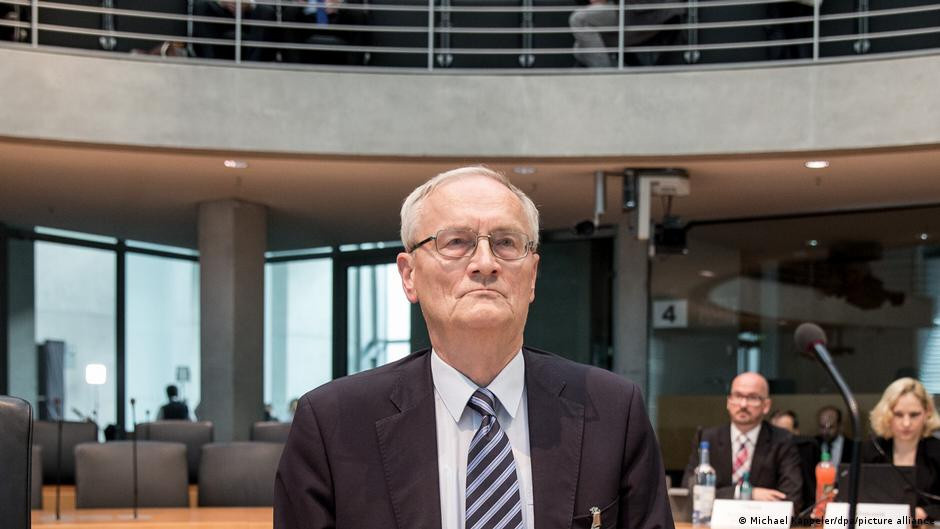
Former German Spy Chief August Hanning Arrested for Treason
August Hanning, the former president of Germany's Federal Intelligence Service, was arrested on charges of treasonous espionage. Prosecutors allege he passed sensitive information to foreign intelligence services, involving around 2,000 classified documents. Hanning's former aide, Manfred D, was also arrested for aiding in the espionage activities. The investigation reportedly ties back to a separate case and raises serious concerns about national security and the betrayal of state secrets.

August Hanning, the former president of Germany's Federal Intelligence Service (BND), was arrested on Tuesday on suspicion of treasonous espionage and passing sensitive information to foreign intelligence services, according to the federal prosecutor's office. Hanning, who led the BND from December 1998 to November 2005, is facing serious allegations, including spying out state secrets and attempted treason. He is currently 80 years old.
In addition to Hanning, a former aide identified as Manfred D was also arrested. Manfred D was taken into custody in Steinfurt, while Hanning was arrested in Bad Toelz-Wolfratshausen. Prosecutors allege that the two men had an agreement dating back to spring 2010, wherein Manfred D would provide Hanning with intelligence from the BND in exchange for payment. Manfred D, who served as Hanning's chief of staff and later for several of Hanning's successors, had access to confidential material, which prosecutors claim he used to provide Hanning with approximately 2,000 documents containing classified information.
The Dead Drop Gift Shop
Sponsorship mission accomplished.
The prosecutor's office indicated that many of these documents were intended for internal use by the BND, particularly for executive intelligence briefings. In one instance, Hanning allegedly utilized classified intelligence to draft an analysis for an officer of a foreign intelligence service; however, it remains unclear whether this information was successfully transmitted.
Hanning is also accused of maintaining close contact with representatives of foreign intelligence services, to whom he allegedly provided political information based on materials supplied by Manfred D over several years. Reports suggest that the information shared may have included sensitive details regarding Iran's nuclear program and the Russian military, some of which were reportedly sourced from allied intelligence agencies.
The implications of Hanning's alleged actions have raised alarms within Germany's intelligence community. Marc Henrichmann, chairman of the German parliament's intelligence oversight committee, emphasized that Germany would not tolerate the betrayal of its secrets. He stated, "Whoever allies themselves with the enemies of our liberal democracy will be found out," highlighting the seriousness of the situation and the potential ramifications for national security.
The investigation into Hanning's activities reportedly originated from a separate case involving Christina Block, a steakhouse chain heiress currently on trial for the alleged kidnapping of her children. As part of this broader investigation, Hanning's properties were searched in September 2025, revealing connections between the two cases. The searches extended to various locations, including Berlin, as authorities sought to uncover the full extent of the alleged espionage activities.
Concerns Over National Security
The arrest of Hanning has sparked significant concern within Germany regarding the integrity of its intelligence operations. The BND, as the country's primary intelligence agency, plays a crucial role in national security and international relations. The potential compromise of classified information by a former head of the agency raises questions about the effectiveness of current security measures and the vetting processes for individuals in sensitive positions.
As the investigation unfolds, the focus will likely shift to understanding the broader implications of Hanning's actions and the potential vulnerabilities within Germany's intelligence framework. The case serves as a stark reminder of the risks associated with espionage and the importance of safeguarding state secrets to protect national interests.
The Debrief
In light of these developments, the German intelligence community faces a critical juncture. The allegations against Hanning not only highlight the challenges of espionage but also underscore the need for vigilance in monitoring former officials who may still possess access to sensitive information. As the investigation continues, it will be essential for authorities to address any lapses in security and ensure that such betrayals of trust do not occur in the future. The ramifications of this case will likely resonate throughout Germany's intelligence landscape for years to come.