Flea Market Find: Enigma Machine Fetches €45,000 at Auction
A German Enigma machine, initially mistaken for a typewriter and sold for €100 at a Romanian flea market, was later identified by a cryptography professor. Recognizing its historical significance, he auctioned it for €45,000, highlighting the value of espionage artifacts.
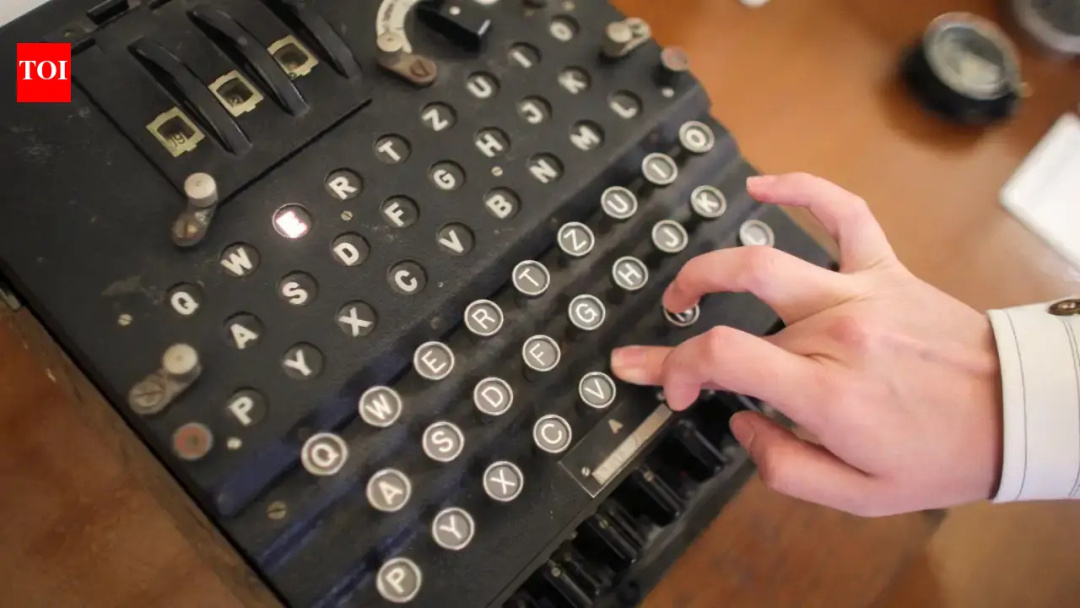
In a remarkable turn of events, a German Enigma machine, which was sold for just €100 at a Romanian flea market, has become a significant piece of history after fetching €45,000 at auction. The machine was initially misidentified by its seller as a regular typewriter, but a keen-eyed cryptography professor recognized its true value.
The incident took place in 2017 when the professor spotted the machine at the flea market. Understanding the historical importance of the Enigma I, a cipher device used by Nazi Germany during World War II, he quickly purchased it for a mere €100. After acquiring the machine, he took the time to clean and restore it before consigning it to Artmark, a well-known auction house in Bucharest.
The Dead Drop Gift Shop
Sponsorship mission accomplished.
Artmark listed the Enigma machine with a starting price of €9,000, but it ultimately sold to an anonymous online bidder for an astonishing €45,000. Cristian Gavrila, the collectible consignment manager at Artmark, noted that the collector, a mathematician with a background in codebreaking, was well aware of what he was buying when he made the purchase.
The Enigma I was manufactured in Germany in 1941 and is noted for being in nearly perfect condition. The previous owner had no idea of its significance and believed it to be just an ordinary typewriter. The collector's expertise in cryptography allowed him to appreciate the machine's complexity and historical relevance, leading him to explore its mechanics further after his acquisition.
This sale is particularly noteworthy as it underscores the significant value that historical espionage artifacts can command in the collectibles market. The €45,000 price tag is impressive, but it is not the highest ever paid for an Enigma machine. Just a month prior, a four-rotor Enigma cipher machine from 1944 was sold at Christie's in New York for $547,500. Another Enigma machine, featured in a Hollywood film about Bletchley Park's codebreakers, was sold in London for £133,250 in 2011.
The Enigma's Role in World War II
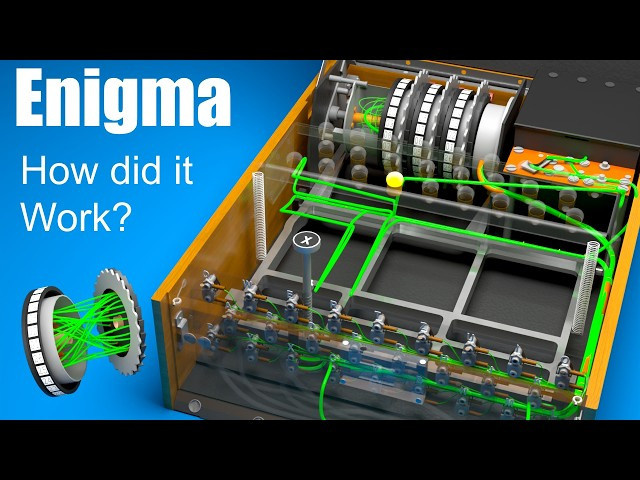
The Enigma machine played a crucial role during World War II, serving as an electromechanical encryption device used by various branches of the Nazi military to encode messages. Its design allowed operators to change the encryption settings, making it a formidable tool for secure communications. However, the British codebreakers at Bletchley Park, including the renowned mathematician Alan Turing, ultimately succeeded in deciphering the Enigma codes, significantly impacting the war effort and potentially shortening the conflict by as much as two years.
The presence of the Enigma machine in Romania also has historical implications, as Romania was an ally of Nazi Germany until 1944, when it switched sides to join the Allies. This artifact not only represents a fascinating piece of military history but also serves as a reminder of the complex narratives woven through World War II.
The Debrief
The Enigma machine remains one of the most iconic symbols of wartime espionage. Its intricate design and the methods used to break its codes have captivated historians and collectors alike. The recent sale of this particular Enigma I highlights the ongoing interest in such artifacts, as well as the potential for hidden treasures to be found in unexpected places, like flea markets. As collectors and historians continue to seek out pieces of history, the story of this Enigma machine serves as a testament to the enduring legacy of espionage and the importance of preserving these artifacts for future generations.
The auction of the Enigma machine not only reflects its monetary value but also its place in the narrative of intelligence history. As more collectors recognize the significance of such items, the market for espionage artifacts is likely to grow, encouraging further exploration and preservation of our shared historical legacy.