Delta Force Operators: The Unsung Heroes of Gulf War Security
This article explores the role of Delta Force personnel who served as a personal security detail for General Norman Schwarzkopf during the Gulf War. Their unique approach to blending in while remaining prepared for threats highlights the complexities of military operations in sensitive environments.
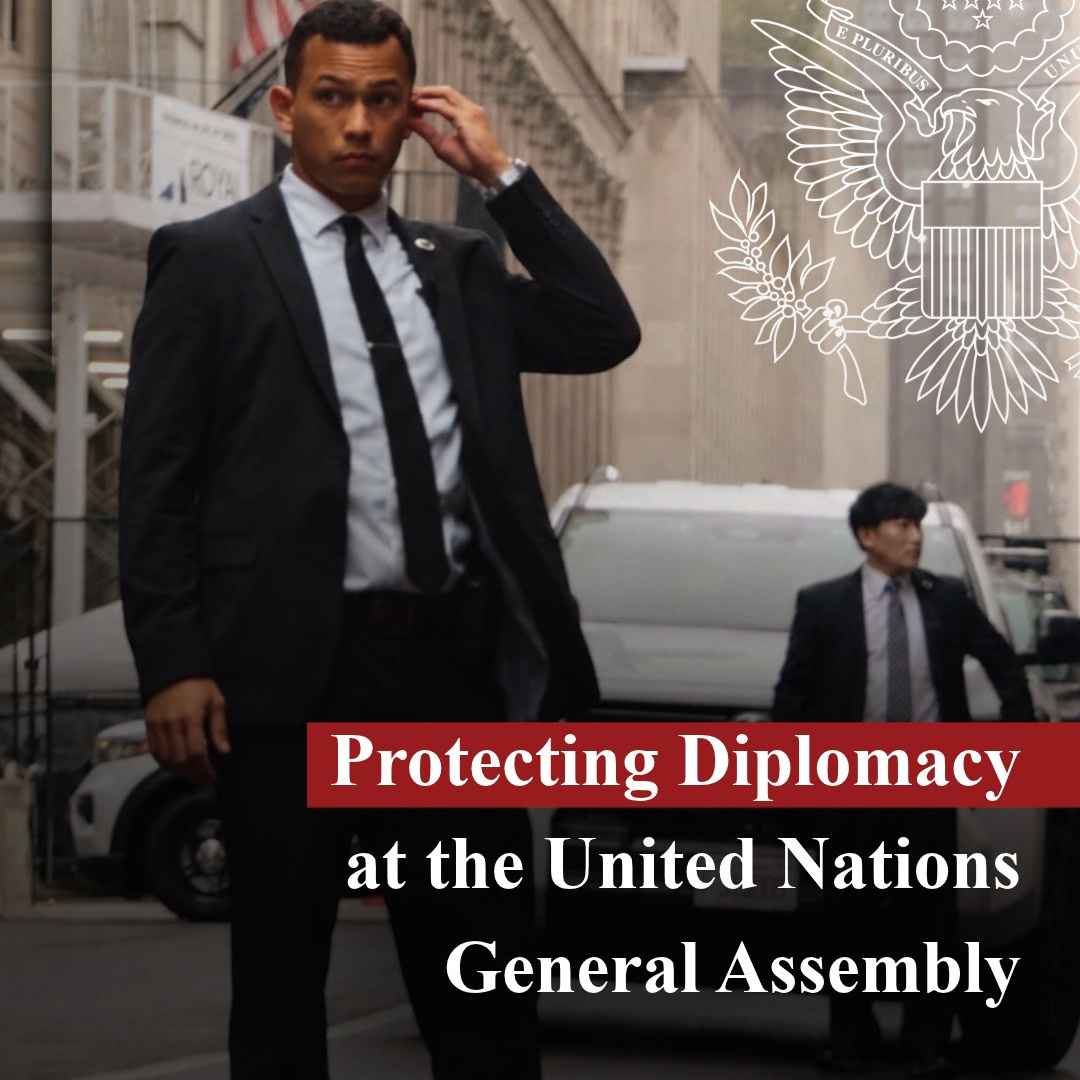
During the Gulf War in 1991, members of the USA Delta Force undertook a crucial role as a personal security detail for General Norman Schwarzkopf, the commander of the U.S.-led coalition that expelled Iraqi forces from Kuwait during Operation Desert Storm. The image depicting these operators showcases their unconventional attire—button-down shirts, polo shirts, sunglasses, and lightweight civilian vests—designed to help them remain inconspicuous while navigating airports, cities, and military installations. Despite their casual appearance, the rifles they carried, including compact variants of the M16, made their serious purpose unmistakable.
The assignment was particularly sensitive, as General Schwarzkopf was not only a prominent military leader but also a potential target for attacks. Delta Force operators were specially trained to respond to immediate threats such as assassination attempts and kidnappings, underscoring the high stakes involved in their mission. The photograph, taken by U.S. Air Force Staff Sgt. Dean W. Wagner, captures a moment during Schwarzkopf's visit to American forces involved in the operation, illustrating the blend of military readiness and the need for discretion.
The Dead Drop Gift Shop
Sponsorship mission accomplished.
What stands out in this image is the juxtaposition of the operators’ ordinary appearance with their elite training. They appear less like Hollywood commandos and more like everyday individuals, which serves as a poignant reminder of the Delta Force's operational philosophy: to blend in rather than draw attention to themselves. This approach is essential for effective security, especially in environments where the risk of exposure can lead to dire consequences.
The Enduring Impact of Delta Force's Secrecy
The legacy of these operators continues to resonate, as their story reflects the complexities of modern warfare and the often unseen efforts of those tasked with protecting key figures in military operations. Delta Force, officially known as the 1st Special Forces Operational Detachment–Delta, remains a highly secretive unit, with much of its operations classified. This secrecy adds to the mystique surrounding their missions, yet the image shared widely today serves as a reminder of the human element behind elite military operations.
The Significance of Disguise in Military Operations
The deliberate choice of attire by Delta Force personnel during the Gulf War highlights the importance of blending in within operational contexts. By avoiding standard military uniforms, these operators could navigate civilian areas without drawing unwanted attention, which is critical for maintaining operational security and effectiveness. This strategy reflects a broader understanding of modern military engagements, where the lines between combatants and civilians can often blur.
As the image continues to circulate, it invites reflection on the nature of military service and the sacrifices made by those in elite units like Delta Force. Their mission, while often shrouded in secrecy, is emblematic of the dedication and skill required to protect leaders and ensure mission success in high-stakes environments. The story of these operators serves not only as a historical account but also as a testament to the evolving nature of warfare and the strategies employed by special operations forces.