Catherine Leroy: Pioneering Photojournalist in Vietnam
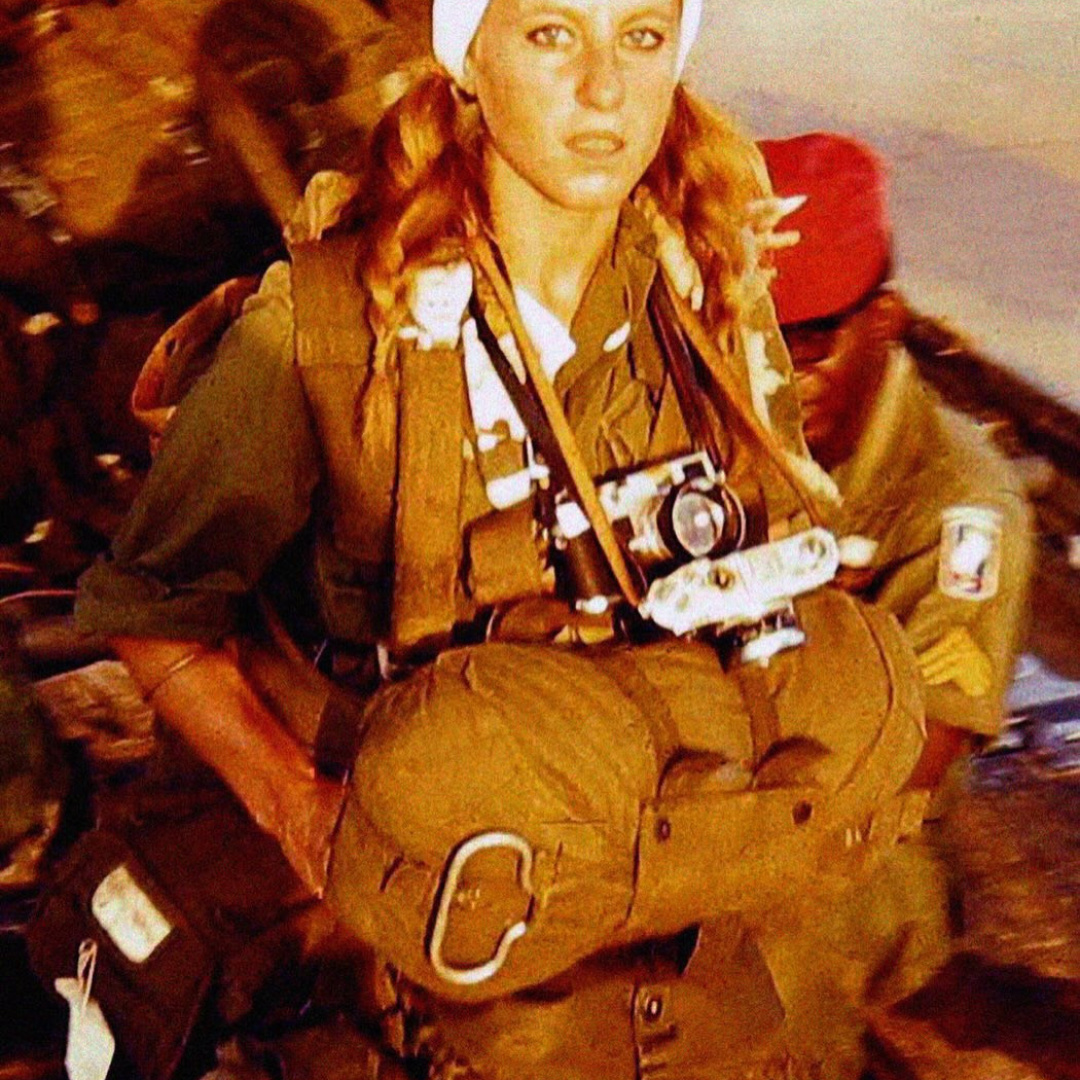
Catherine Leroy, a French photojournalist, made history during the Vietnam War by being one of the first civilian journalists to participate in a combat jump with U.S. forces. Her determination and unique perspective on war captured the human element of conflict, despite facing numerous challenges and dangers.
Catherine Leroy, born in Paris in 1945, emerged as a pioneering figure in war journalism during the Vietnam War. In February 1967, she joined the U.S. Army's Operation Junction City, a significant military operation that included the only major combat jump of the war. Leroy, who many regard as the first civilian journalist to parachute into combat alongside American forces, showcased remarkable grit and determination in her pursuit of capturing the realities of war.
At just 5'1" and weighing only 85 pounds, Leroy faced physical challenges that matched the intensity of the battlefield. She navigated the jungles of Vietnam in combat boots that were two sizes too large, carrying camera equipment that often weighed as much as she did. Despite these obstacles, her commitment to documenting the human experience of war propelled her to the front lines.
The Dead Drop Gift Shop
Sponsorship mission accomplished.
After arriving in Saigon in 1966 with little more than a camera and $100, Leroy quickly made her mark. She met the legendary photojournalist Horst Faas, who provided her with film and a promise of payment for published photos. This partnership enabled her to capture the essence of the conflict, highlighting the stories of those affected by the war.
Leroy's Bold Actions and Consequences
Leroy's participation in the combat jump on February 22, 1967, marked a historic moment in journalism. However, her outspoken nature led to a six-month ban from the front lines after she clashed with an officer, a testament to her fierce spirit.
The Debrief
In early 1968, during the Battle of Khe Sanh, Leroy faced life-threatening danger when she was wounded by an enemy mortar. As she lay injured, she overheard someone declare her dead, but her camera absorbed the shrapnel that could have killed her. This incident underscored her belief in the power of her craft, which she felt saved her life.
Post-Vietnam, Leroy continued to cover various conflicts, illustrating the profound human costs of war through her lens. Her legacy as a trailblazer in war journalism remains influential, inspiring future generations of journalists to pursue the truth, no matter the risks involved.