Espionage in American Universities


Daniel Golden's 'Spy Schools' reveals the covert operations of the CIA and FBI within American universities, spotlighting the case of Ana Montes, a spy who was arrested for treason after allegedly leaking U.S. military plans to Cuba. The book explores the broader implications of intelligence exploitation in academia.
In his book 'Spy Schools', Daniel Golden delves into the intricate relationship between American universities and intelligence agencies, particularly focusing on the case of Ana Montes. Montes, who was expected to spend 2001 at the CIA's headquarters in Langley on a prestigious National Intelligence Council fellowship, found her assignment postponed under suspicious circumstances. This delay was influenced by the Defense Intelligence Agency (DIA) and FBI's concerns regarding her loyalty, following her connections to Cuba's intelligence operations.
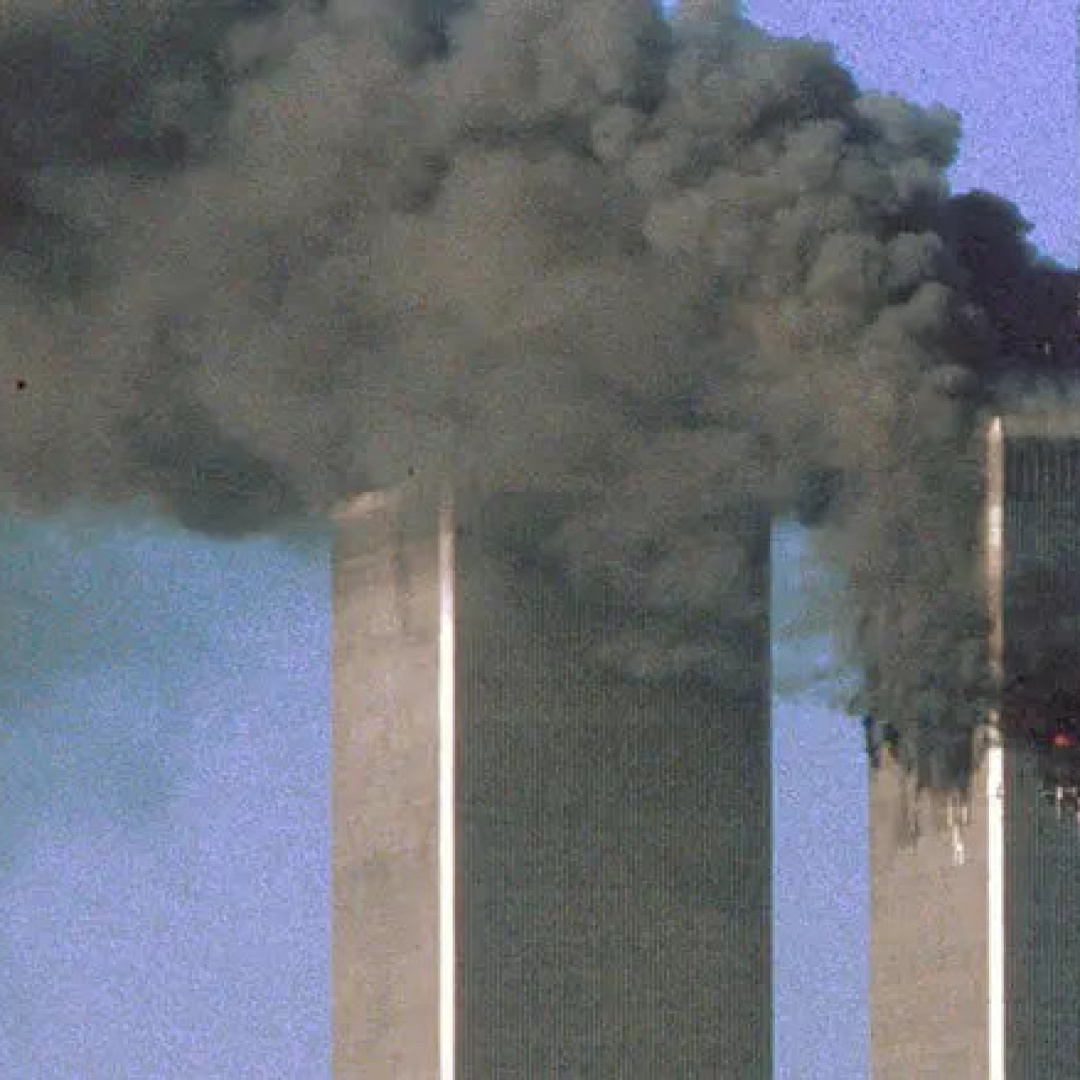
Montes's case is particularly notable due to her ability to anticipate U.S. military and intelligence strategies in Latin America, raising alarms within U.S. intelligence circles. The situation escalated dramatically after the September 11 attacks in 2001, when fears grew that she might relay U.S. invasion plans for Afghanistan to her Cuban handlers. This led to her arrest, which marked a significant moment in the ongoing struggle against espionage within the educational sector.
The Dead Drop Gift Shop
Sponsorship mission accomplished.
Initially, U.S. authorities contemplated pursuing the death penalty for Montes's treasonous actions. However, the Department of Justice ultimately decided against it, citing an insurmountable evidence threshold. Montes eventually pleaded guilty in federal court, agreeing to cooperate with the FBI in exchange for a reduced sentence of twenty-five years. Her courtroom statement was defiant; she expressed her belief that her actions were morally justified in light of U.S. policies towards Cuba, which she described as cruel and unfair.
Universities as Targets for Espionage
Golden's narrative not only highlights Montes's personal story but also raises critical questions about the role of American universities as unwitting participants in intelligence operations. The book argues that the exploitation of academic institutions by agencies like the CIA and FBI is a growing concern, with implications that extend beyond individual cases. Montes's story serves as a cautionary tale about the vulnerabilities inherent in the academic landscape and the potential for espionage to infiltrate even the most respected institutions.
The Broader Implications of Espionage in Academia

As Golden explores the ramifications of Montes's actions, he emphasizes the need for greater awareness regarding the intersection of education and intelligence. The exploitation of universities by foreign and domestic intelligence entities poses significant risks not only to national security but also to the integrity of academic research and freedom. Montes's case exemplifies how personal convictions can lead to devastating consequences, both for the individual and the nation.
In conclusion, 'Spy Schools' provides a compelling examination of the hidden dynamics at play in American universities, urging readers to consider the broader implications of espionage in academia. Montes's story is a stark reminder of the complexities surrounding loyalty, morality, and the often-blurred lines between patriotism and betrayal.