Kathleen Pettigrew: The Real Miss Moneypenny of British Intelligence
Kathleen Pettigrew, the personal assistant to MI6 chiefs during WWII, served as the inspiration for the fictional Miss Moneypenny. Historian Dr. Claire Hubbard-Hall discusses Pettigrew's significant contributions to British intelligence, including her role in decrypting Enigma messages and the often-overlooked impact of women in espionage.
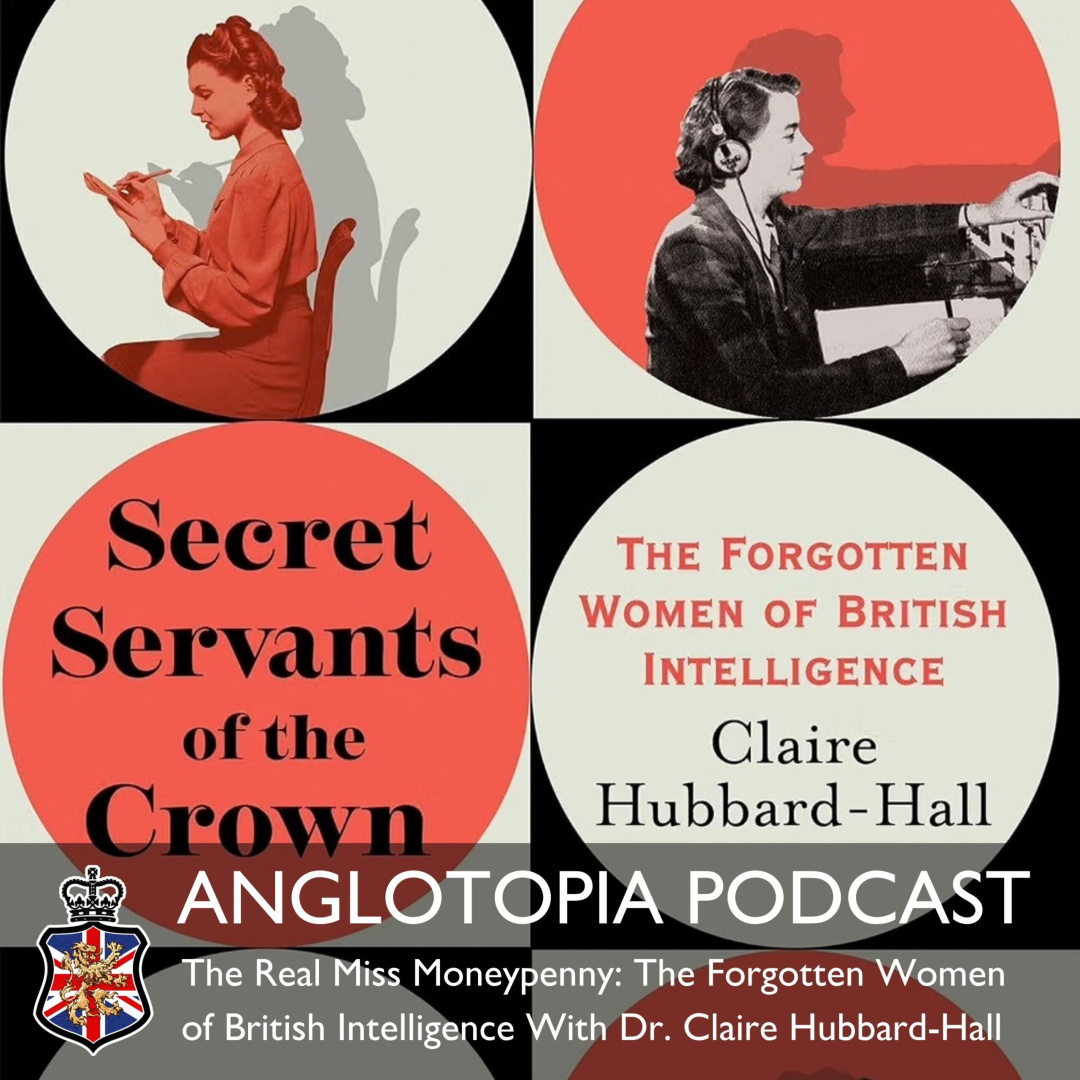
When envisioning a British spy, the image that typically comes to mind is that of a man, such as James Bond or Kim Philby. However, the reality of espionage during World War II also included influential women, notably Kathleen Pettigrew, who served as the personal assistant to three consecutive chiefs of MI6. Pettigrew's role was pivotal, as she managed sensitive information that flowed through the agency during a critical period in history. In a revealing discussion, Dr. Claire Hubbard-Hall, a historian specializing in secret intelligence, sheds light on Pettigrew's contributions and the broader narrative of women in British intelligence.
Dr. Hubbard-Hall's research highlights how Pettigrew was more than just a secretary; she played a crucial role in the operations of MI6. She famously remarked, "I was Miss Moneypenny, but with more power," indicating her significant influence and responsibilities. Her work included receiving and processing every decrypted Enigma message sent from Bletchley Park to MI6, a task that was vital to the Allied war effort. The term "secretary" served as an effective cover for her involvement in agent running, code work, and courier duties, allowing her to operate in a male-dominated field without drawing undue attention.
The Dead Drop Gift Shop
Sponsorship mission accomplished.
The podcast episode featuring Dr. Hubbard-Hall delves deeper into the historical context of Pettigrew's work. She recounts how she discovered the character of "Miss Pettaval" in Ian Fleming's early drafts of Casino Royale, a nod to the real women who contributed to British intelligence. Dr. Hubbard-Hall also emphasizes the importance of archival research, describing her efforts to track down women who had been trained to leave no trace, which included reading margin notes and paper chits. Her meticulous work led her to write over 200 letters to surviving relatives, uncovering stories that had long been forgotten.
Unveiling the Stories of Unsung Agents
Among the notable figures discussed is Rita Windsor, another MI6 officer who operated during the war. Windsor played a key role in rescuing Otto John, a survivor of the July Plot, from Europe. The episode paints a vivid picture of the clandestine operations that took place, including the use of an incendiary briefcase that was transported to Bletchley Park and detonated on its lawn.
Before We Burn the Notes
The conversation also touches on the evolution of women's roles in British intelligence, culminating in the eventual appointment of female heads of MI5, GCHQ, and MI6. Dr. Hubbard-Hall's insights underscore the long and often zigzagging path that women have navigated within these institutions, a journey that reflects broader societal changes regarding gender and power.
As the discussion wraps up, Dr. Hubbard-Hall reflects on contemporary representations of espionage in popular culture, noting how shows like Slow Horses capture the complexities of intelligence work while also acknowledging the contributions of women like Pettigrew and Windsor. Their stories remind us that the world of espionage is not solely defined by its most famous male figures but is enriched by the often-overlooked contributions of women who played crucial roles behind the scenes.