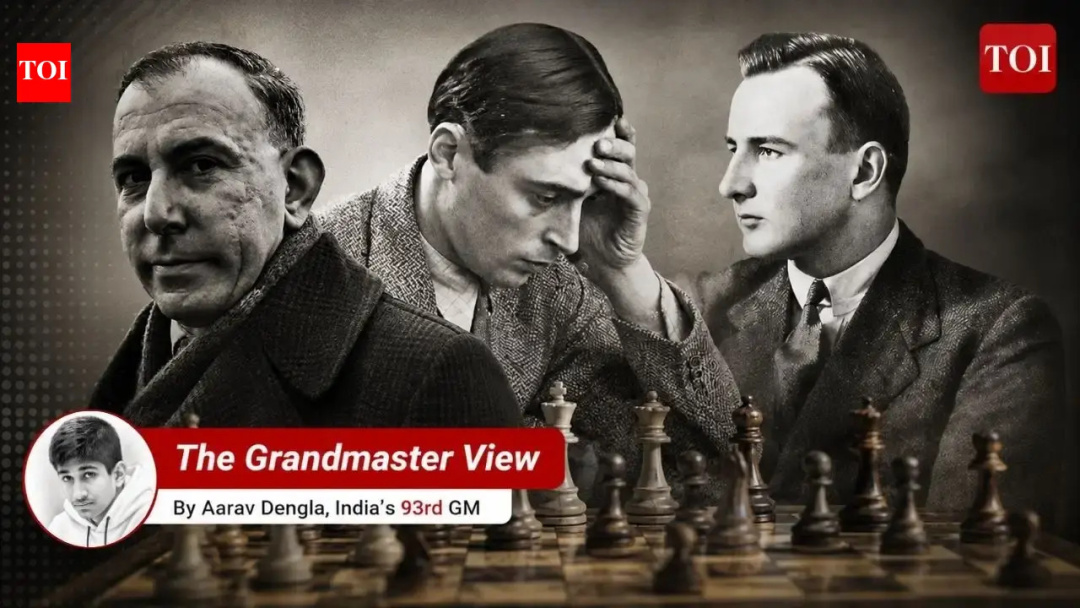
Alan Turing and the Breakthrough Against the Enigma Code
Alan Turing and his fellow codebreakers at Bletchley Park played a crucial role in deciphering the Enigma code used by Nazi Germany during World War II. Their work not only contributed to the Allied victory but also laid the groundwork for modern computing.
In the early 1920s, the Enigma machine became a widely available tool for organizations seeking to secure their communications. Its adoption by the German military marked a significant advancement in cryptography, enabling rapid and secret coordination that was pivotal to the blitzkrieg tactics during World War II. The confidence among Axis forces was high, believing their communications were safeguarded by what they considered an unbreakable code.
However, as history unfolded, the Enigma code proved to be breakable, a revelation that shocked the Nazis. A new video from Veritasium delves into the workings of the Enigma machine, showcasing how each letter typed is transformed through a series of interchangeable rotors, creating a complex substitution cipher that changes with each keystroke. The introduction of a plugboard further complicated the encryption process, expanding the possible configurations to an astronomical number, making the task of codebreaking appear daunting.
The Dead Drop Gift Shop
Sponsorship mission accomplished.
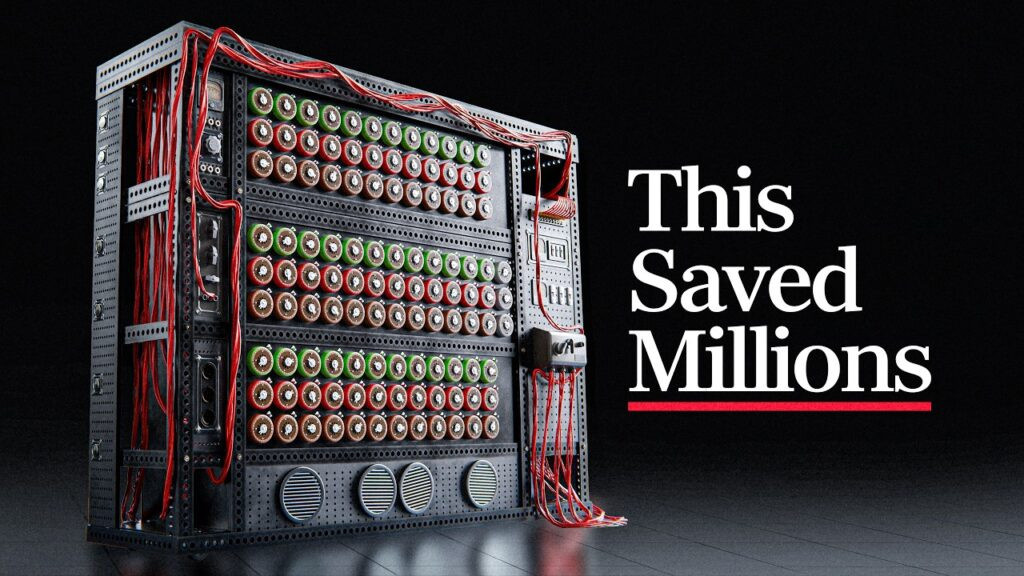
Alan Turing, already recognized for his theoretical contributions to computation, was recruited by Britain’s codebreaking headquarters at Bletchley Park. There, he and his colleagues worked tirelessly to reverse-engineer the Enigma machine. Turing identified critical flaws in its design, such as the machine's inability to encode a letter as itself, and the predictable patterns used by its operators, such as routine weather reports. These insights were instrumental in developing the Bombe, a machine designed to rapidly test various combinations and crack the code.
The intelligence gathered through the Bombe was vital to the success of key military operations, including the D-Day invasion, potentially shortening the war and saving countless lives. Turing’s innovative approach exemplified the intersection of mathematics and engineering, demonstrating that a machine could indeed outsmart another machine.
Turing's Enduring Impact on Technology
The legacy of Turing and his fellow codebreakers extends beyond their wartime achievements; it laid the foundation for modern computing and cryptography. Their efforts not only changed the course of the war but also reshaped the future of technology and intelligence operations.
The Debrief
The work at Bletchley Park during World War II has had lasting implications for the field of intelligence. The techniques developed for breaking the Enigma code have influenced contemporary cryptography and data security practices. As the digital age progresses, the principles of codebreaking remain relevant, underscoring the importance of innovation in the face of evolving threats.
Alan Turing's contributions to codebreaking illustrate the critical role of intelligence in warfare. His ability to leverage theoretical knowledge into practical applications not only aided the Allies in their fight against the Axis powers but also set the stage for future advancements in computer science. The story of Turing and his team is a testament to the power of intellect and ingenuity in overcoming formidable challenges.