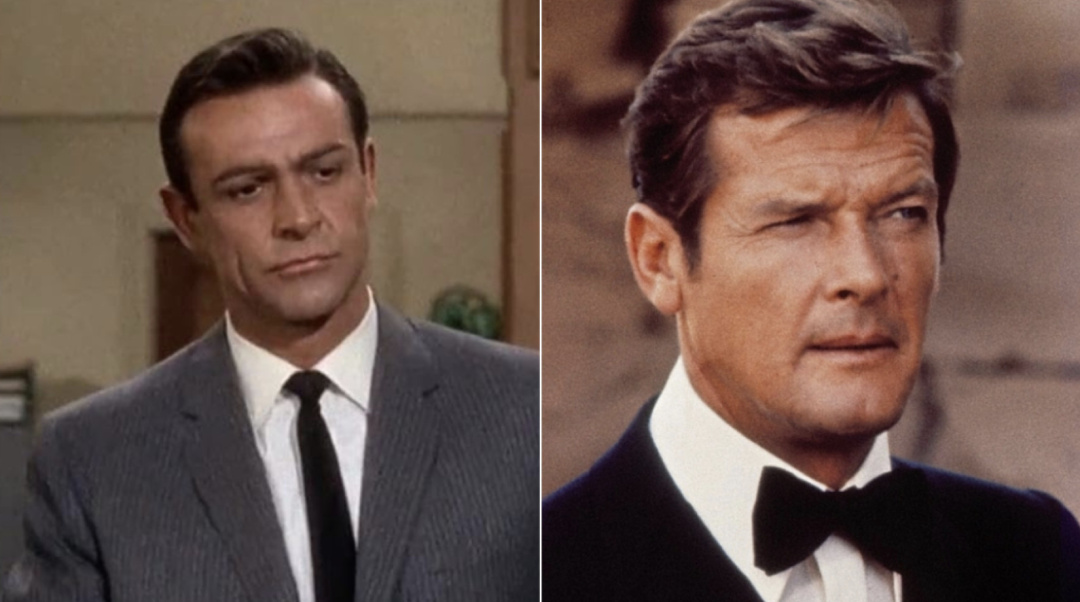
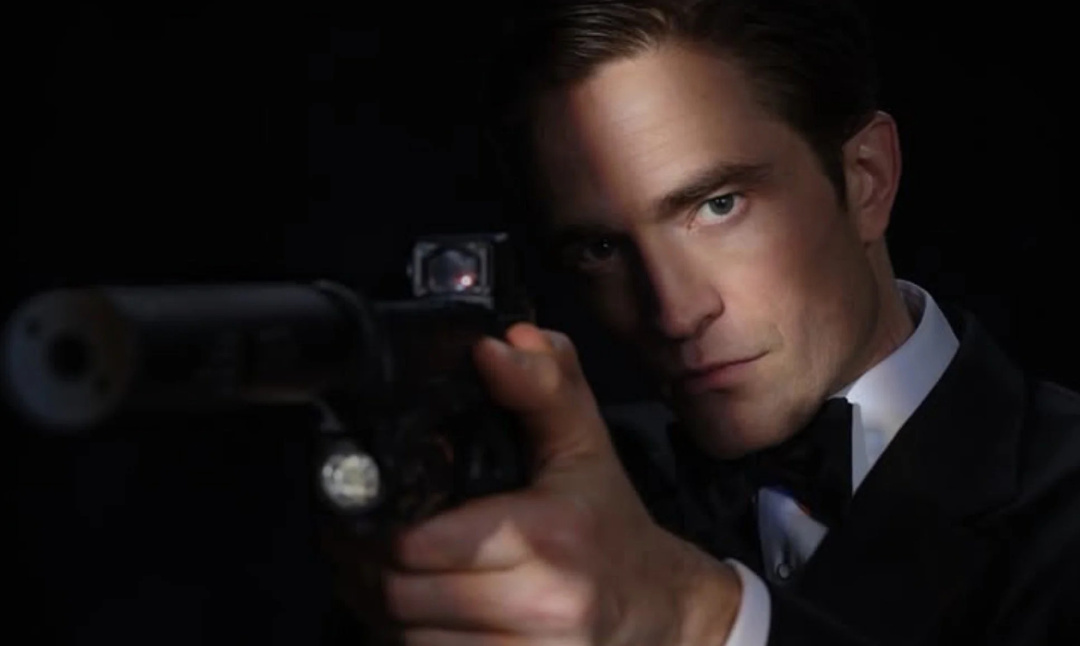
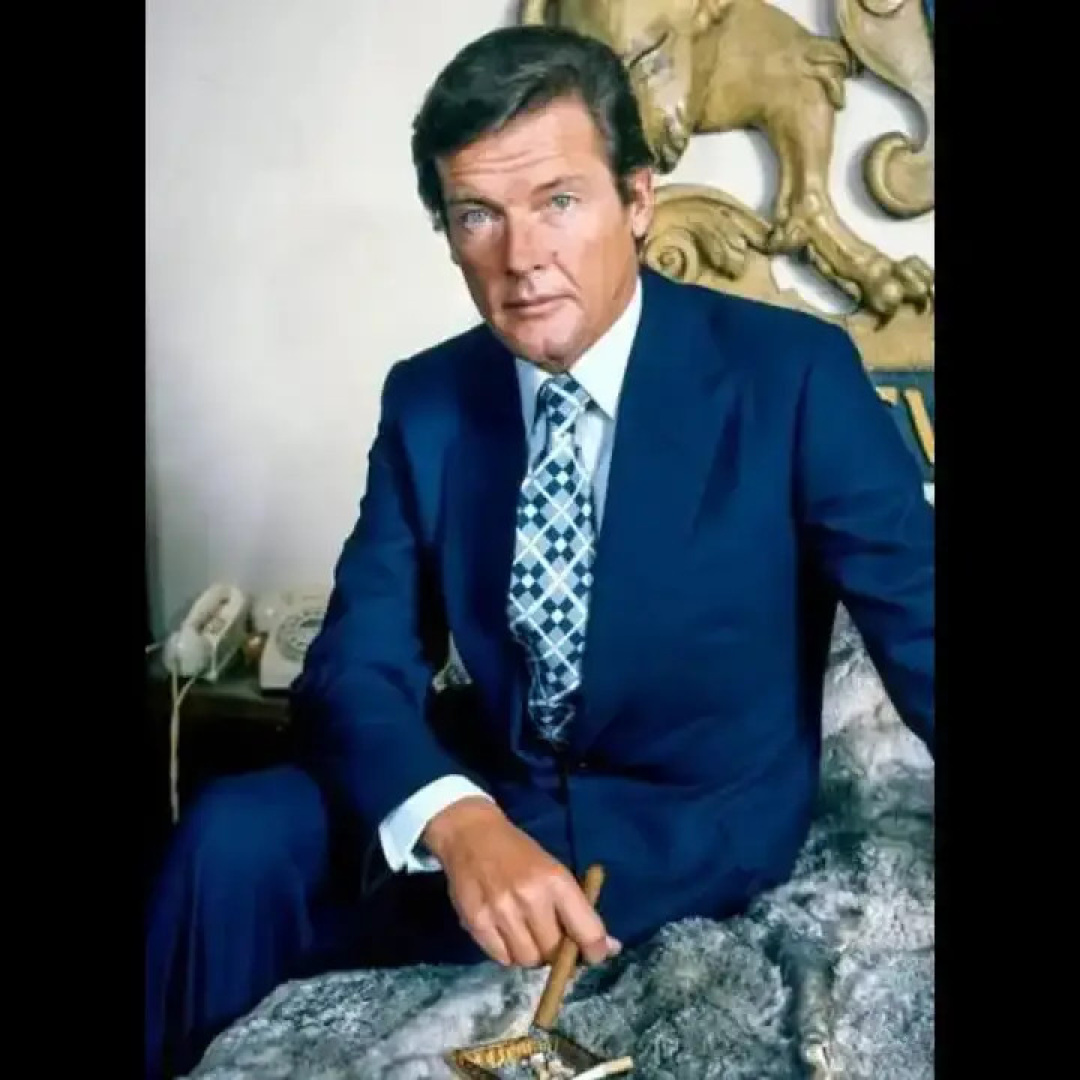
Roger Moore's Contract Prevented Him from Becoming James Bond First
Roger Moore was originally considered for the role of James Bond, but was unable to take it due to a contract with ITC, according to his son Geoffrey Moore. This led to Sean Connery being cast as the iconic 007, with Moore eventually stepping into the role later in the franchise. Geoffrey reflects on how this timing shaped the character's portrayal, suggesting that each actor brings a unique interpretation reflective of their era.
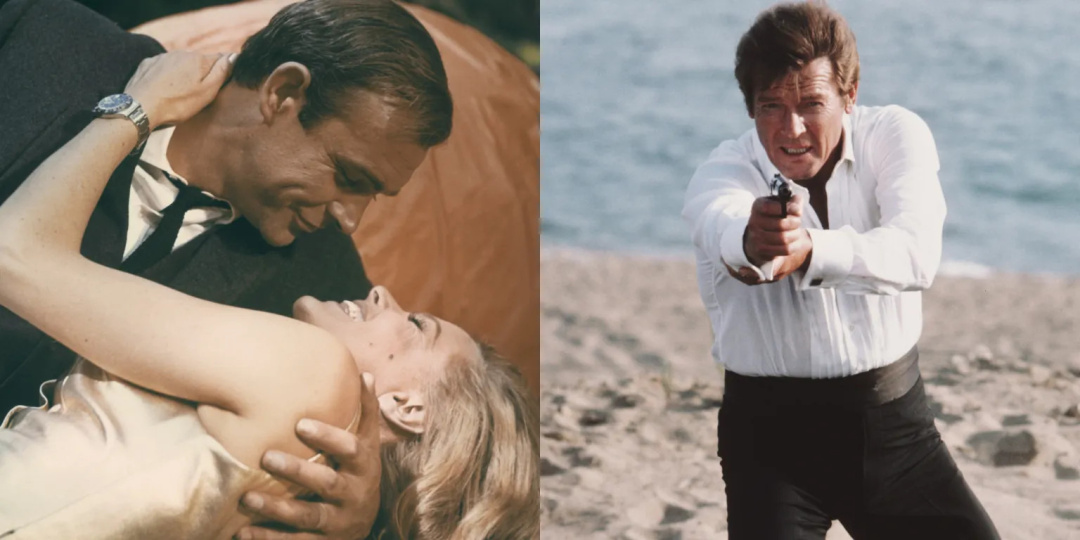
Roger Moore was the first choice of producers to portray James Bond, but he was unable to accept the role due to a binding contract with ITC, as revealed by his son, Geoffrey Moore. According to Geoffrey, his father was considered for the role early on, but the contractual obligations prevented him from taking on the iconic character. Ian Fleming, the creator of James Bond, was a fan of Moore’s television series, The Saint, and had connections with Bond producers Albert R. ‘Cubby’ Broccoli and Harry Saltzman, who were keen on casting him.
As a result of Moore's unavailability, the role of 007 went to Sean Connery, the first actor to embody the character on screen. Moore would eventually take on the role in the eighth film, 1973’s Live and Let Die, becoming the third actor to portray Bond. Geoffrey believes that the delay in his father's casting ultimately worked in his favor. He stated, "This is why Bond is such a great franchise, because each actor is a reflection of the time."
The Dead Drop Gift Shop
Sponsorship mission accomplished.
Geoffrey noted that Moore's portrayal came at a time when the character was evolving, particularly in the early 1970s, which he described as a period that was "a little less chauvinistic" compared to earlier representations. He pointed out that while Connery's portrayal was true to Fleming's original novels, the scripts were adjusted to fit Moore's style, which was less about brute force and more about charm and sophistication.
Reflecting on his father's contribution to the franchise, Geoffrey emphasized that Moore brought a unique blend of "aloofness and a little bit more empathy to the character." This nuanced approach allowed Moore to resonate with audiences in a way that was distinct from Connery's more traditional interpretation of the spy. The transition from Connery to Moore marked a significant evolution in how James Bond was perceived, aligning with the changing cultural attitudes of the time.
The Lasting Influence of Bond's Casting Choices
The legacy of these casting choices continues to influence how Bond is portrayed today, with each actor leaving an indelible mark on the franchise. As fans look back on the history of Bond, it's clear that the decisions made in the early days of the series have had lasting implications for its direction and character development.
The Impact of Casting Choices on Bond's Legacy
The casting of James Bond has always been a topic of great interest among fans and filmmakers alike. Each actor brings their own interpretation to the role, shaped by the cultural context of their time. The choices made in the early years of the franchise set the stage for how Bond would evolve over the decades. With Moore stepping into the role later, he was able to infuse the character with a sense of modernity that resonated with audiences in the 1970s.
As the franchise continues to adapt and change, the discussions around casting remain as relevant as ever. The legacy of Roger Moore and Sean Connery serves as a reminder of how pivotal these decisions are in shaping not just the character of James Bond, but also the broader cultural landscape of spy entertainment. The evolution of Bond reflects not only the tastes of the times but also the shifting dynamics of masculinity and heroism in cinema.