CIA Files Released on 9/11: Unanswered Questions and Executive Power
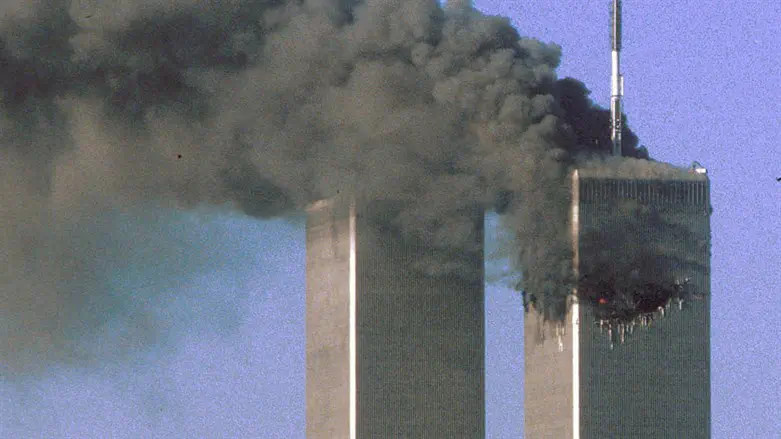
Twenty-five years after the September 11 attacks, the Trump administration released previously classified CIA files, revealing extensive prior warnings about the attacks. The release raises significant questions about U.S. foreign policy, the War on Terror, and the concentration of power within the executive branch.
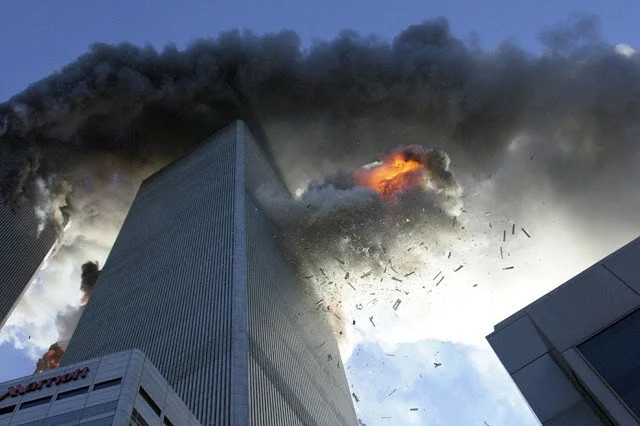
Twenty-five years after the September 11 attacks, the Trump administration has unveiled previously classified CIA files. Agency Director John Ratcliffe described this release as the largest compilation of CIA analysis related to 9/11 ever made public. The documents reveal that the CIA had clear warnings about the impending attacks, adding fuel to ongoing debates about the agency's foreknowledge of the events.
Simultaneously, New York City has begun to open its own city records, which may add further context to the unfolding narrative. The released material indicates that the CIA possessed detailed operational warnings prior to 9/11, which partially corroborates long-held suspicions about the agency's awareness of the attacks—a notion often dismissed as a conspiracy theory. However, many questions remain unanswered, particularly concerning potential connections to Saudi Arabia, which are often obscured by the close ties between American elites and Saudi oil interests. Former President Donald Trump has indicated a willingness to release even more documents related to this topic.
The Dead Drop Gift Shop
Sponsorship mission accomplished.
This selective disclosure has been a characteristic strategy of the Trump administration, which has utilized the controlled release of sensitive files—on topics ranging from JFK to UFOs—as a political tool to challenge elements of the permanent bureaucracy, often referred to as the "Deep State." The intent appears to be less about transparency and more about leveraging public outrage to reshape institutions and enhance presidential authority.
The legacy of 9/11 extends deeply into the so-called "War on Terror." The declaration of war against an abstract concept has led to a sustained campaign against militant Islamic groups, which has often been broadened to include various adversaries labeled as enemies of humanity. This has resulted in a significant concentration of power within the Executive branch. While this trend did not originate in 2001, it has been exacerbated by the passage of the Patriot Act, which has normalized practices such as indefinite detention and warrantless surveillance, contributing to a legal framework that resembles a state of emergency.
The Dark Legacy of Executive Overreach
The existence of Guantanamo Bay and the CIA's network of black sites serve as stark reminders of the shift in American governance, suggesting that the U.S. has become a democracy in name only. The current administration continues to expand these powers, increasingly exercising authority that resembles dictatorial control.
The military outcomes of this prolonged engagement have been far from successful, particularly in Iraq and Afghanistan, where the U.S. has faced significant challenges and ultimately retreated, leaving the Taliban in power. In Syria, the complexities have led to interactions with figures previously designated as terrorists, illustrating the paradoxical nature of U.S. foreign policy.
Before We Burn the Notes
A recent article in Foreign Affairs titled "How al-Qaeda Ended" celebrated the defeat of ISIS while neglecting to acknowledge the roles played by regional actors such as Iran and Russia. The United States has often been implicated as a supporter of the very forces it claims to combat, with historical precedents dating back to the anti-Soviet jihad of the 1980s. This pattern of intervention has frequently involved arming and training radical groups, which later evolved into larger terrorist organizations.
The post-9/11 era has thus produced a dual legacy: the willingness to support jihadist networks when politically expedient and the establishment of an anti-terror framework that has significantly enhanced the powers of the presidency. As we reflect on the past twenty-five years, it is evident that these powers are now being wielded more openly than ever before.