David McCallum Reflects on the Sudden End of 'The Man from U.N.C.L.E.'
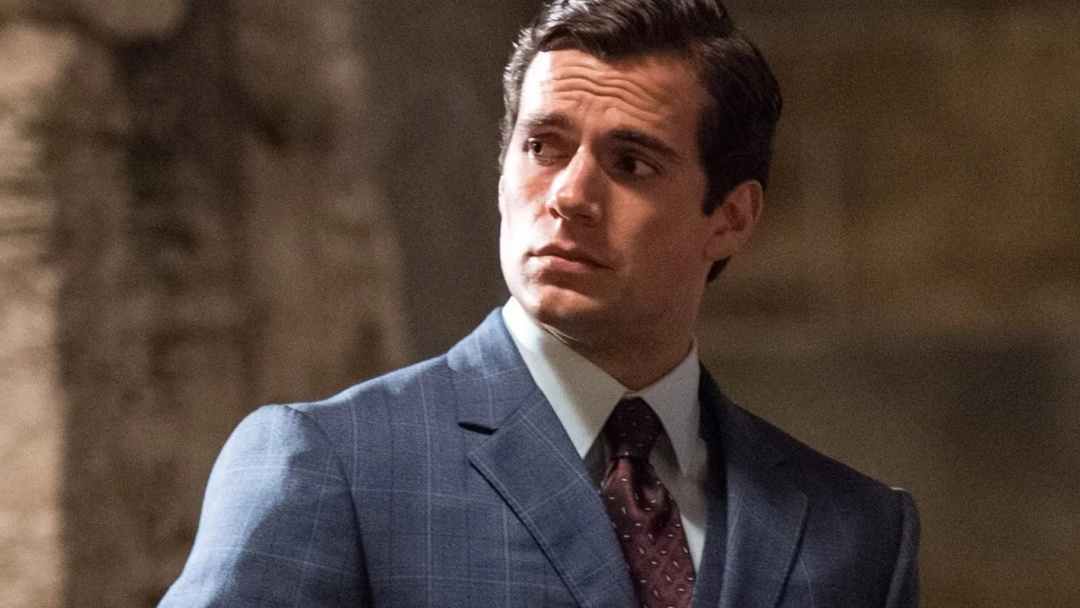
David McCallum, known for his role as Illya Kuryakin in the iconic '60s spy series 'The Man from U.N.C.L.E.,' shared his surprise at learning about the show's cancellation through the media rather than from the producers. The series, which aired from 1964 to 1968, struggled with declining ratings and shifted its tone, leading to its abrupt end.

The last episode of the iconic '60s spy series "The Man from U.N.C.L.E.," featuring David McCallum as Illya Kuryakin, aired over 50 years ago, but the actor's realization of its cancellation was a personal journey. McCallum, who portrayed the Soviet operative working for the counterespionage agency known as the United Network Command for Law and Enforcement, partnered with American agent Napoleon Solo, played by Robert Vaughn, from 1964 until the show's cancellation in the middle of its fourth season due to declining ratings.
In a 2022 interview with the Television Academy, McCallum recounted the moment when he understood that the series was no longer in production. He noted that scripts for upcoming episodes simply stopped arriving, leaving him to discover the cancellation through news reports. "To this day, I haven't been told that the series is cancelled," McCallum remarked, highlighting the disconnect between the production team and the cast. "Nobody's ever called me."
The Dead Drop Gift Shop
Sponsorship mission accomplished.
Originally, "The Man from U.N.C.L.E." was created to capitalize on the popularity of the James Bond franchise, beginning as a serious espionage show. However, it reached its peak during the second season before shifting to a more comedic tone that ultimately did not resonate with audiences. McCallum reflected on how the series' evolution into a farcical format diminished its appeal. He stated, "There is a rule in comedy, particularly, where you don't make jokes about jokes. Once the series was all 'farcical situations' being performed farcically, it didn't make any sense at all."
Robert Vaughn, who co-starred alongside McCallum, echoed these sentiments in an interview with The Hollywood Reporter, noting that the producers opted for a more over-the-top approach akin to the campy style of 'Batman.' Vaughn explained, "'U.N.C.L.E.' went from being camp to being goofy, and from being number one to being off the air."
McCallum's Legacy Beyond U.N.C.L.E.
Despite the show's cancellation, McCallum later reprised his role as Illya Kuryakin in the 1983 television film "Return of the Man from U.N.C.L.E." Modern audiences may recognize him more prominently from his long-standing role as Dr. Donald "Ducky" Mallard on the hit series "NCIS." McCallum's experiences with "The Man from U.N.C.L.E." serve as a reminder of the unpredictable nature of television production and the impact of shifting audience preferences on a show's longevity.
The Debrief
The legacy of "The Man from U.N.C.L.E." continues to influence the spy genre, with its blend of action, humor, and camaraderie between its leads setting a template for future series. The show's unique approach to espionage, coupled with its memorable characters, has left an indelible mark on popular culture. As viewers reflect on the series, McCallum's insights into its abrupt end highlight the often unseen dynamics of television production and the challenges that come with evolving storytelling styles. The show's cancellation, while disappointing for its fans and cast, ultimately paved the way for new interpretations of the spy genre in both television and film.
As we look back at David McCallum's journey with "The Man from U.N.C.L.E.," it becomes clear that the series was more than just a television show; it was a cultural phenomenon that captured the imagination of viewers during its time. McCallum's reflections remind us of the unpredictable nature of the entertainment industry and the ways in which creative decisions can shape a show's legacy. The series may have ended abruptly, but its influence persists, inspiring new generations of spy enthusiasts and storytellers alike.