Russian Authorities Capture Ukrainian Spy Ring in Crimea
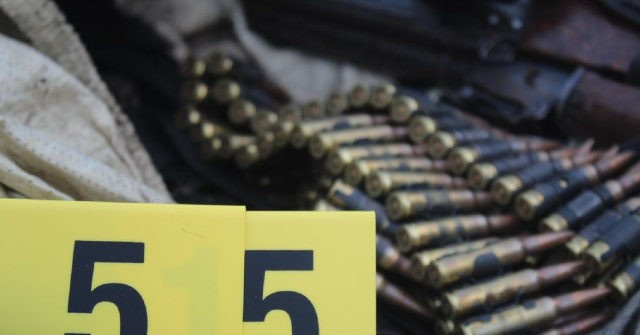
Russian security services have captured two Ukrainian agents in Crimea, revealing ongoing espionage activities in the region. The detainees were reportedly gathering intelligence on Russian military positions and infrastructure, highlighting the persistent intelligence conflict in the area since Russia's annexation of Crimea in 2014.

The ongoing intelligence conflict in Crimea has escalated with the recent capture of two Ukrainian agents by Russian authorities. The FSB, Russia's Federal Security Service, announced the arrests, which underscore the persistent challenges Russia faces in controlling the region it annexed in 2014. The first detainee, a 45-year-old resident of Crimea, was involved in collecting sensitive information about Russian military facilities and critical infrastructure. His intelligence gathering included detailed coordinates of air defense systems in the city of Kerch, intended for potential missile strikes against Russian positions.
The second individual, a 43-year-old man, reportedly sought to assist the Ukrainian defense ministry directly. Both men, who are Russian citizens, were allegedly working with Ukrainian special services to undermine what the FSB described as Russia's economic security and defense capabilities. The arrests highlight the ongoing recruitment efforts by Ukrainian intelligence, which has maintained an active network in Crimea since the peninsula's annexation.
The Dead Drop Gift Shop
Sponsorship mission accomplished.
The Crimean Bridge, a vital supply route for Russian forces, has been a focal point for Ukrainian intelligence operations. This bridge has been targeted multiple times, including a significant truck bombing in October 2022 that caused extensive damage and a missile strike in July 2023 aimed at its railway span. The FSB did not specify when the arrests occurred, but indications suggest that the suspects were under surveillance for an extended period.
Ukrainian intelligence agencies, including the HUR and SBU, have been conducting operations aimed at sabotaging Russian military assets in Crimea. The use of encrypted communication channels, such as Telegram, remains a critical component of these operations, allowing agents to relay information securely. Despite the risks involved in collaborating with Ukrainian forces, the arrests demonstrate that there are still individuals willing to participate in espionage efforts against Russia.
Ukraine's Evolving Tactics in Crimea
As Ukraine continues to enhance its long-range strike capabilities, targeting Russian infrastructure has become a priority. The FSB's announcement reflects the ongoing cat-and-mouse game between Russian security forces and Ukrainian intelligence operatives, with the latter seemingly able to penetrate Russian defenses despite the risks involved. The arrests serve as a reminder of the complex and dynamic nature of intelligence operations in Crimea, a region that remains a contentious battleground in the broader conflict between Ukraine and Russia.
The Debrief
The FSB's statement also emphasized the difficulties faced by Ukrainian intelligence in recruiting local operatives. The threat of prosecution or worse has likely diminished the pool of potential agents willing to collaborate. Nevertheless, the ongoing espionage activities indicate that Ukrainian services continue to adapt and find willing participants for intelligence gathering operations. The situation in Crimea remains fluid, and the ability of Ukrainian intelligence to operate effectively within Russian-occupied territory suggests that Russia does not have complete control over the region.
The capture of these two agents highlights not only the ongoing intelligence war but also the broader implications for security in Crimea. As both sides continue to vie for control and influence, the intelligence landscape in the region remains fraught with tension. The arrests may serve as a warning to others who might consider collaborating with Ukrainian forces, yet they also illustrate the resilience and determination of Ukrainian intelligence to maintain its operations in a highly contested area.