Trent Park: The Secret Listening Post of WWII Becomes a Museum
Trent Park, a country house north of London, served as a covert listening post during World War II, where German generals were monitored for intelligence. Now a museum, it showcases the efforts of listeners who gleaned vital information from the prisoners' conversations, contributing significantly to the British war effort.
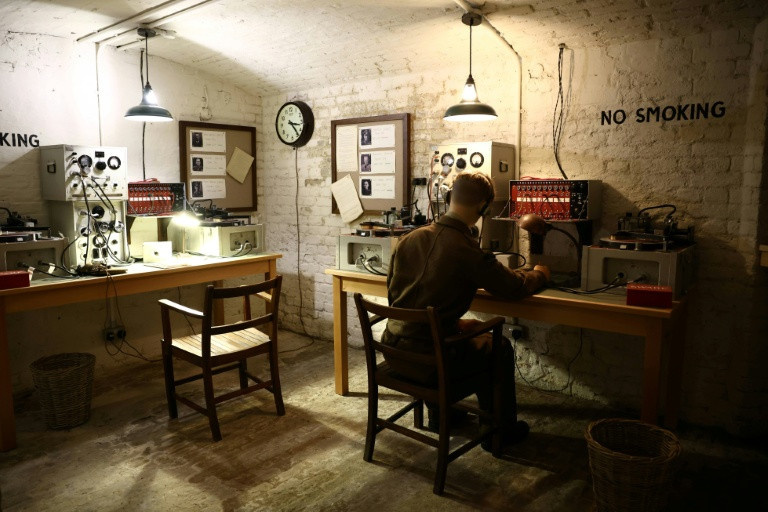
During World War II, Trent Park, a country house located north of London, was repurposed into a camp for high-ranking German prisoners of war. This site has now been transformed into the Trent Park House of Secrets museum, which highlights the critical role played by a team of covert listeners—many of whom were Jewish refugees—who meticulously transcribed snippets of the prisoners' conversations, extracting vital insights into Germany's war strategies.
The museum's director, Giuseppe Albano, draws parallels between Trent Park and the more widely known Bletchley Park, where mathematician Alan Turing famously cracked Nazi codes. Albano asserts that the intelligence gathered at Trent Park was equally significant, contributing to the British government’s efforts to shorten the duration of the Second World War.
The Dead Drop Gift Shop
Sponsorship mission accomplished.
Trent Park was part of an extensive network of intelligence houses designed for eavesdropping on enemy conversations. The intelligence collected here was shared with Bletchley Park, enhancing the overall effectiveness of British wartime intelligence operations. The strategy of housing Nazi generals in comfort to encourage them to speak freely was described by Albano as a "brilliantly devious strategy."
Originally known for its opulent interiors in the 1930s, Trent Park hosted notable figures such as Charlie Chaplin and Winston Churchill. During the war, the British government entrusted the property to a secret military intelligence unit, which outfitted it with hidden microphones throughout, even in the garden. These devices connected to listening equipment located in the servants' quarters, allowing for continuous monitoring.
Espionage Insights from Captured Generals
Between 1942 and 1945, a total of 84 generals and 22 lower-ranking officers were held at Trent Park, where they were attended to by valets and permitted to go on day trips. Among them was General Dietrich von Choltitz, the last Nazi commander in Paris, who surrendered the city in August 1944. Unbeknownst to the prisoners, their conversations were being recorded, leading to the unearthing of critical information regarding the development of the V-2 ballistic missiles, which were later targeted by British bombers, delaying their deployment.
After the war, the hidden microphones were removed, but some of the wiring remains on display at the museum, which opened as part of a redevelopment initiative. While many transcripts of the conversations have been released to the National Archives, some documents remain classified. Visitors to the museum can experience recreated listening rooms where actors perform excerpts from these conversations, revealing the casual discussions that inadvertently divulged military secrets.
Before We Burn the Notes
One notable conversation includes a reference to a "rocket testing site" intertwined with mundane discussions about bratwurst supplies, while von Choltitz admitted to the atrocities he committed during the war. Despite the significance of the intelligence gathered at Trent Park, the British government chose not to present this information during war crimes trials to protect the methods of information gathering.
Adam Ganz, an author whose father worked as a listener at Trent Park after fleeing Germany, emphasizes the importance of recognizing the contributions of those who played a role in this covert operation. The listeners, who were entrusted with sensitive information at a time when refugees faced widespread hostility, have finally begun to receive acknowledgment for their vital contributions to the war effort.