Thomas Jefferson's Disk Machine: An Early Encryption Innovation
This article explores the historical context and mechanics of early encryption devices, focusing on Thomas Jefferson's Disk machine. Although Jefferson is often credited with inventing this device, its roots may predate him. The article details how the machine works, its significance in the evolution of cryptography, and its connection to later military encryption methods.
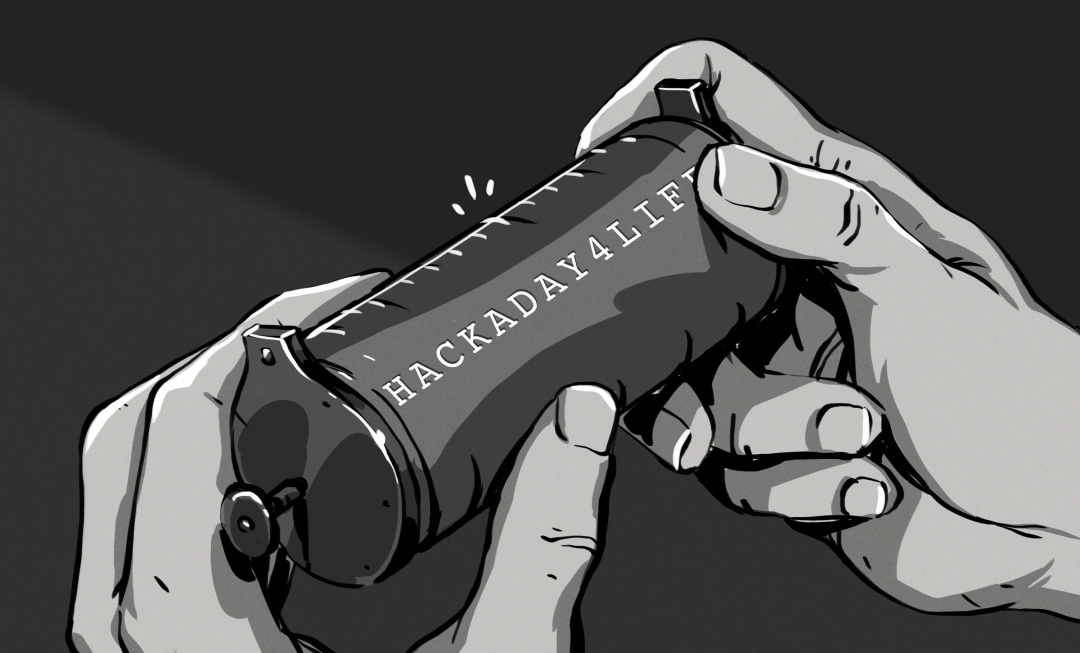
For centuries, the need to send secret messages has driven innovations in encryption technology. One of the notable early devices is the Jefferson Disk, often attributed to Thomas Jefferson, although its origins may extend further back in history. Jefferson's design involved a series of disks, each marked with a number and inscribed with letters of the alphabet around the edge. The arrangement of letters on each disk was random, allowing for a complex method of encrypting messages.
When two parties wished to communicate securely, they would agree on the order of the disks and align them on an axle. For example, if they used a 36-disk system, they might decide to arrange the odd-numbered disks first, followed by the even-numbered disks. Once aligned, a message could be encrypted by substituting each letter with the corresponding letter from the aligned disks, creating a seemingly nonsensical string of characters.
The Dead Drop Gift Shop
Sponsorship mission accomplished.
The effectiveness of the Jefferson Disk lies in its complexity; without knowledge of the disk arrangement, deciphering the message becomes exceedingly difficult. Modern analysis suggests that the system offers a high level of security, particularly if the disks and their order remain unknown to potential interceptors.
Interestingly, a similar device was created by the Swedish inventor Fredrik Gripenstierna, who used 57 disks for a different purpose. Jefferson's disk concept, while innovative, was never fully realized in his lifetime. Although there are claims of a device in the NSA museum that might be linked to Jefferson, its authenticity remains uncertain.
Jefferson's Influence on Military Encryption
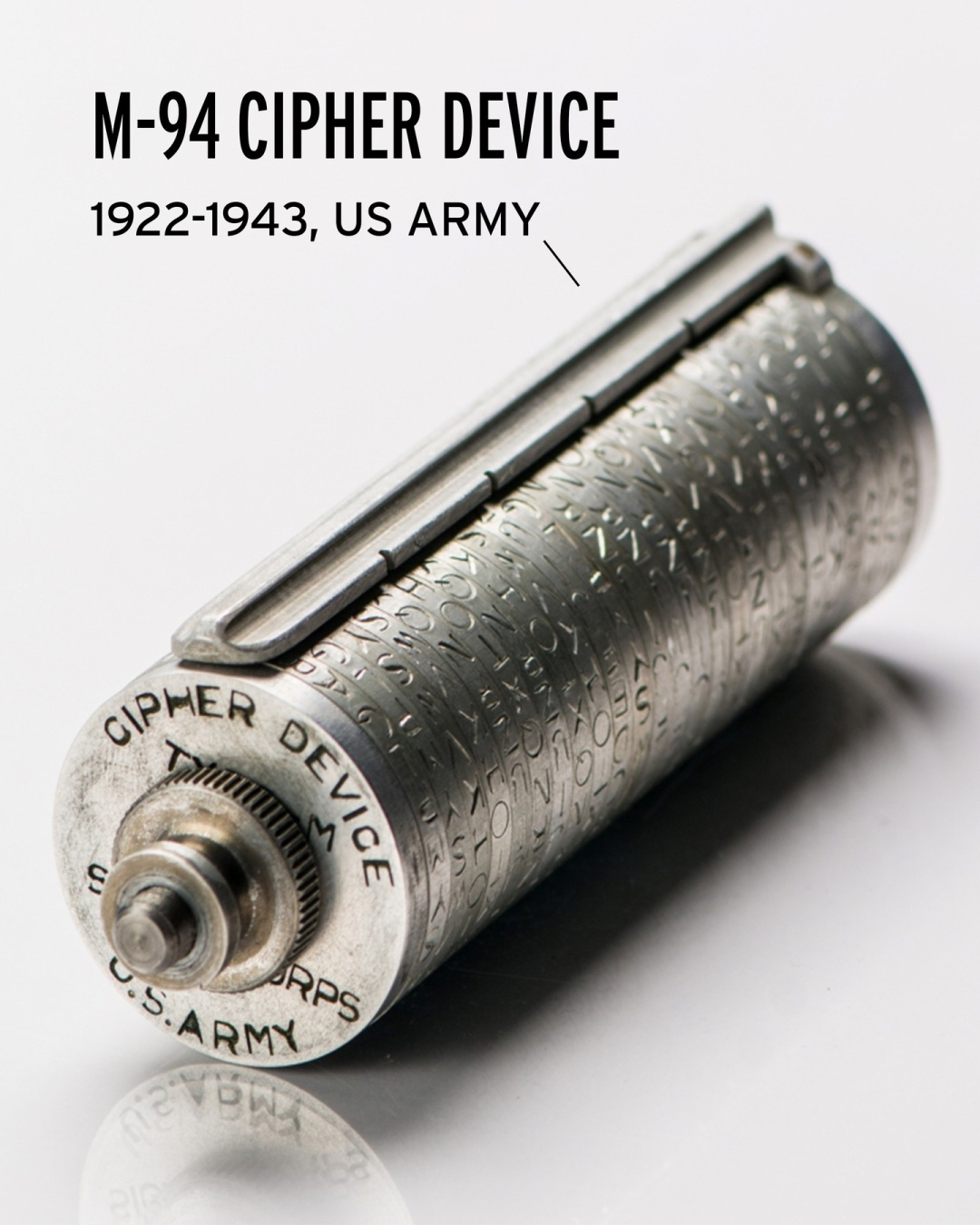
Jefferson eventually abandoned his disk system after encountering columnar transposition ciphers in 1803, which offered a different approach to encryption. However, the legacy of his design did not end there. The U.S. military adapted a similar concept, known as the Bazeries cylinder, in 1922, which utilized 25 aluminum disks and was in use until 1942. This adaptation showcased the enduring relevance of disk-based encryption methods in military applications.
The original prototype of the M-94 cipher machine, developed during World War I, initially employed a sliding strip arrangement instead of disks. This evolution highlights the ongoing experimentation with encryption technology. The military later returned to a disk-based approach with the M-138A cipher machine, which incorporated 100 strips for enhanced key security.
What the Record Leaves Behind
While Jefferson's Disk machine may not have been operational during his time, its conceptual framework laid the groundwork for future innovations in cryptography. The transition to rotor-based machines, such as the Enigma during World War II, marked a significant shift in encryption technology. Despite the advances in encryption, vulnerabilities remain, as even the most sophisticated systems can be compromised by physical security measures, such as keyloggers.
The historical significance of Jefferson's Disk machine and its successors illustrates the continuous evolution of cryptographic methods, reflecting humanity's enduring quest for secure communication. The study of these early devices not only sheds light on the past but also informs contemporary practices in the field of encryption.