Understanding the Mechanics of the Enigma Machine
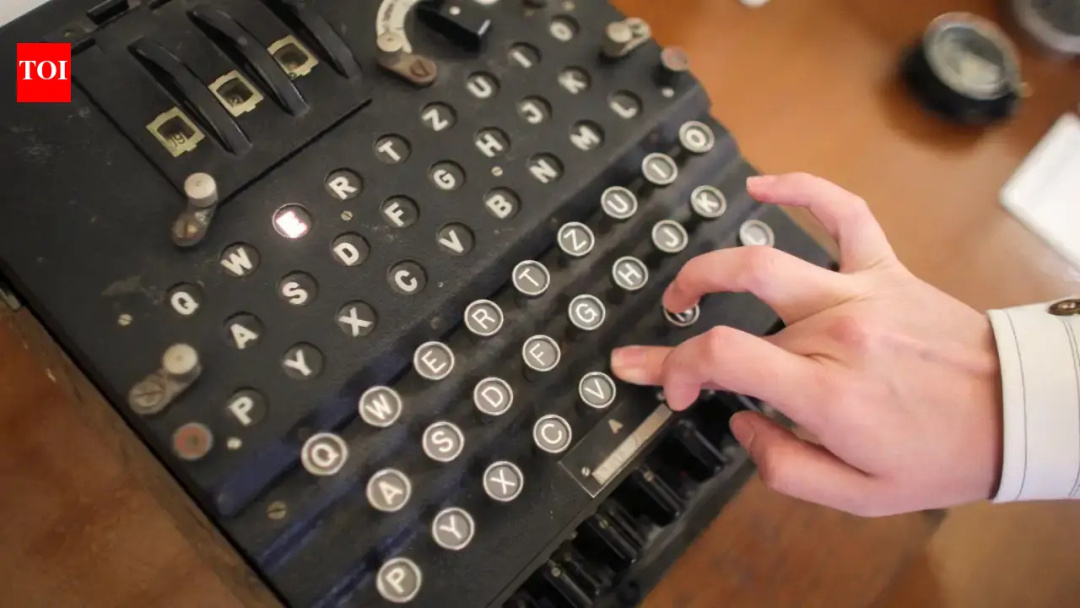
This article delves into the intricate workings of the Enigma machine, a crucial cipher device used during World War II. Through a 3D model, Jared Owen illustrates how electricity flows through the machine, changing letters multiple times to encode messages, showcasing the complexity that made the Enigma a formidable tool in espionage.
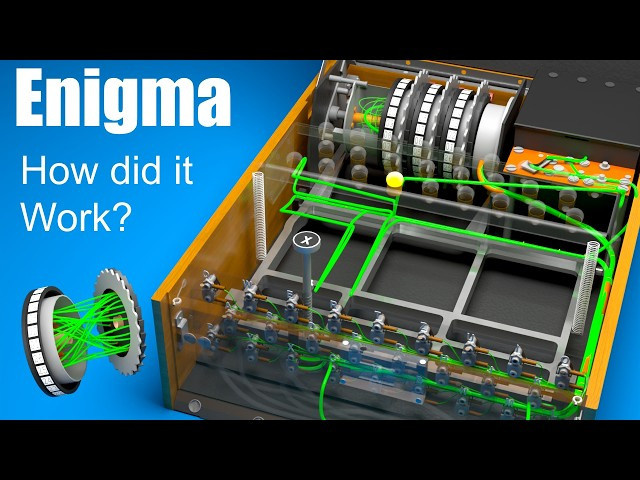
The Enigma machine, a pivotal tool in World War II espionage, operates through a complex system of rotors and electrical connections that scramble and unscramble messages. Jared Owen has created a detailed 3D model that visually explains this intricate process, making it accessible for enthusiasts and historians alike.
At the heart of the Enigma's functionality are its rotors. When electricity travels through one rotor, it alters a letter. The machine typically employs three rotors, each with unique wiring configurations. As electricity passes through all three, it transforms the original letter into a different one, demonstrating the machine's sophisticated design.
The Dead Drop Gift Shop
Sponsorship mission accomplished.
The process continues with the reflector, which also contains 26 metal contacts. This component connects letters in pairs, ensuring that the letter entering the machine is changed to another letter before returning through the rotors. This back-and-forth journey allows the original letter to be altered multiple times, culminating in a total of seven changes for a single letter.
Owen's model provides an engaging visual representation of this mechanism, allowing viewers to grasp how the machine encodes messages. For example, if the letter 'Y' is input, it will be transformed through the rotors and the reflector before exiting as a completely different letter. This level of complexity was key to the Enigma's effectiveness in secure communications during the war.
Historical Impact of the Enigma Machine
In addition to the technical explanation, the article touches on the historical significance of the Enigma machine. Invented by Arthur Scherbius, the name 'Enigma' itself reflects the device's purpose, as it is derived from the Greek word for 'riddle.' This clever nomenclature underscores the challenge that Allied cryptanalysts faced in deciphering the messages encoded by this device.
As technology has evolved, the Enigma machine remains a fascinating subject for both collectors and historians. The potential for creating web-based simulations of the Enigma machine has also emerged, allowing enthusiasts to explore its mechanics interactively. While several online platforms already offer such simulations, Owen's model serves as a reminder of the ingenuity behind this historical artifact.
The Debrief
The legacy of the Enigma machine extends beyond its operational mechanics. It symbolizes the intersection of technology and intelligence during one of history's most tumultuous periods. Understanding how the Enigma functioned not only illuminates the challenges faced by cryptanalysts but also highlights the broader implications of secure communication in warfare. As we reflect on the Enigma's role in history, it serves as a testament to the importance of innovation in the realm of espionage and intelligence gathering.
In conclusion, the Enigma machine is more than just a cipher device; it represents a critical chapter in the history of intelligence. The complexity of its design and the ingenuity behind its operation have made it a subject of fascination for generations. As we continue to explore the tools of espionage, the Enigma remains a powerful reminder of the lengths to which nations will go to protect their secrets and the ongoing battle between encryption and decryption that defines the world of intelligence today.