Discoverer 13: The First Orbital Capsule Recovery and Its Challenges
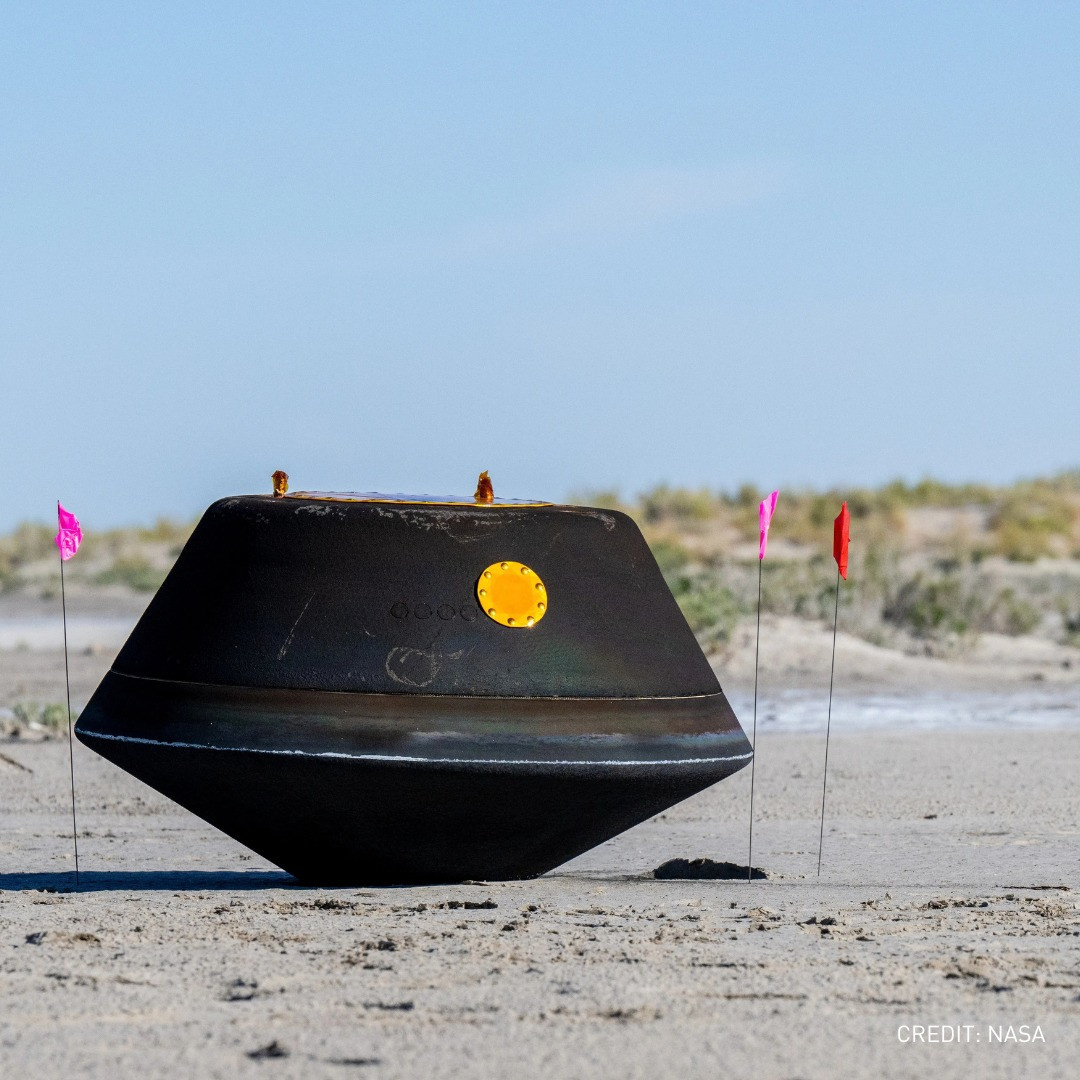
On August 11, 1960, the Discoverer 13 capsule became the first man-made object recovered from orbit, but the mission faced significant operational challenges. The Air Force's failure to catch the capsule mid-air led to its recovery by a Navy vessel, highlighting inter-service competition and the complexities of early space recovery efforts. This incident is documented in declassified CIA histories, revealing the intricacies of the CORONA program and the lessons learned from this pivotal moment in U.S. intelligence history.
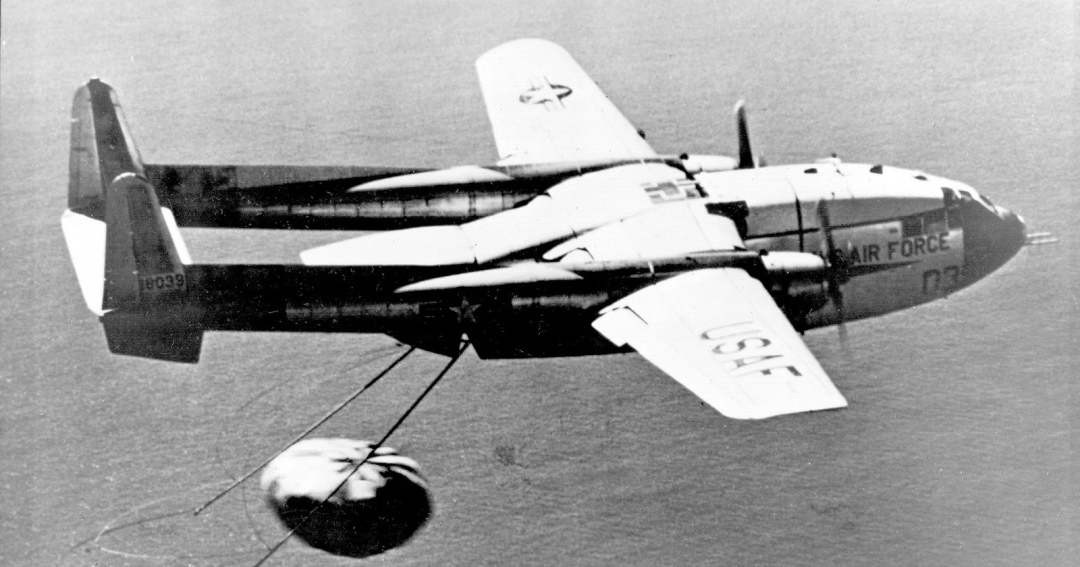
On August 11, 1960, the Discoverer 13 capsule made history as the first man-made object recovered from orbit, but the mission was not without its complications. The Air Force was tasked with catching the capsule mid-air, yet they arrived at the splashdown point only as it hit the water, missing the opportunity entirely. The capsule landed approximately 330 miles northwest of Honolulu, and a Navy cargo ship, Haiti Victory, was the first to retrieve it.
Declassified documents, including the CORONA Program History, Volume IV, detail the missteps that led to this missed catch. The USAF C-119 aircraft assigned to the operation received a signal from the descending capsule but could not determine its exact location due to a saturated receiver. Captain Harold E. Mitchell, who was piloting the recovery aircraft, recounted that his navigator's attempts to locate the capsule were hampered by erroneous information from an RC-121 aircraft, which provided a reciprocal heading that led them off course.
The Dead Drop Gift Shop
Sponsorship mission accomplished.
The capsule's recovery highlights the challenges faced by the U.S. military in the early days of space exploration. While the Air Force's failure to catch the capsule was a blow to their pride, the Navy's successful retrieval marked a significant achievement in U.S. space history. The Navy's helicopter lifted the 300-pound capsule from the ocean, making Haiti Victory the first ship to recover a space vehicle.
The design of the capsule allowed it to float for a minimum of 48 hours, ensuring that recovery crews had a window to reach it before it sank. This feature was crucial, as it minimized the risk of foreign powers retrieving the capsule. The declassified accounts reveal that the capsule was intended to be retrieved by American teams, with measures in place to prevent unauthorized recovery.
Upon reaching Honolulu, the Navy took the opportunity to paint "Compliments of the US Navy" on the shipping can, a detail that underscores the competitive spirit between the military branches. However, the historical records do not provide a photograph of the can or the names of the crew members involved in the painting, leaving some aspects of the story shrouded in mystery.
Unveiling the Discoverer Program's True Purpose
The Discoverer program was a cover for the CORONA project, America's first successful photographic reconnaissance satellite initiative. While Discoverer 13 did not carry any film, it was a diagnostic flight that contributed to the overall understanding of satellite recovery operations. The subsequent Discoverer missions would go on to include film-carrying capsules, leading to successful air catches that became standard practice for the program.
As the program progressed, the lessons learned from the Discoverer 13 recovery shaped future operations. The Air Force adapted their methods, leading to a series of successful air catches in later missions. The operational failures of the Discoverer 13 mission serve as a reminder of the complexities and challenges of early space recovery efforts, as well as the inter-service dynamics that characterized the U.S. military during this pivotal period in intelligence history.
In the wake of the Discoverer 13 recovery, the Air Force faced scrutiny over their handling of the mission. Captain Mitchell felt the weight of the blame for the failure to catch the capsule, a sentiment echoed in the internal histories of the CIA. His subsequent assignment to a less favorable position was seen as a consequence of the mission's perceived shortcomings. However, the rotation of flight assignments was a standard practice, and it did not diminish the significance of the achievements made in the program.
Closing the File
The Discoverer 14 mission, which launched shortly after, successfully captured film and marked a turning point in the recovery operations. The capsule was caught mid-air, showcasing the advancements made in recovery techniques. The operational record for the MURAL series of missions demonstrated a remarkable success rate, illustrating how the lessons learned from earlier missions were applied to improve performance in subsequent operations.
As the history of the Discoverer program continues to be unveiled through declassified documents, it becomes clear that the challenges faced during the Discoverer 13 recovery were instrumental in shaping the future of U.S. space reconnaissance efforts. The interplay of military branches, the evolution of recovery techniques, and the ongoing quest for intelligence in the realm of space exploration remain critical elements of this fascinating chapter in American history.