Examining the Overlap of the Epstein Files and 9/11 Narratives
As the twenty-fifth anniversary of the 9/11 attacks approaches, discussions surrounding the event's significance have been overshadowed by ongoing conflicts, particularly the war with Iran. This article explores how the narrative surrounding the Epstein Files has been affected by these developments, questioning the connections between high-profile events and the implications of withheld information.
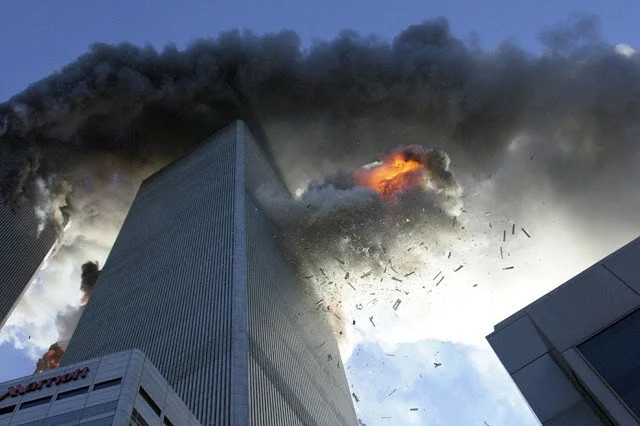
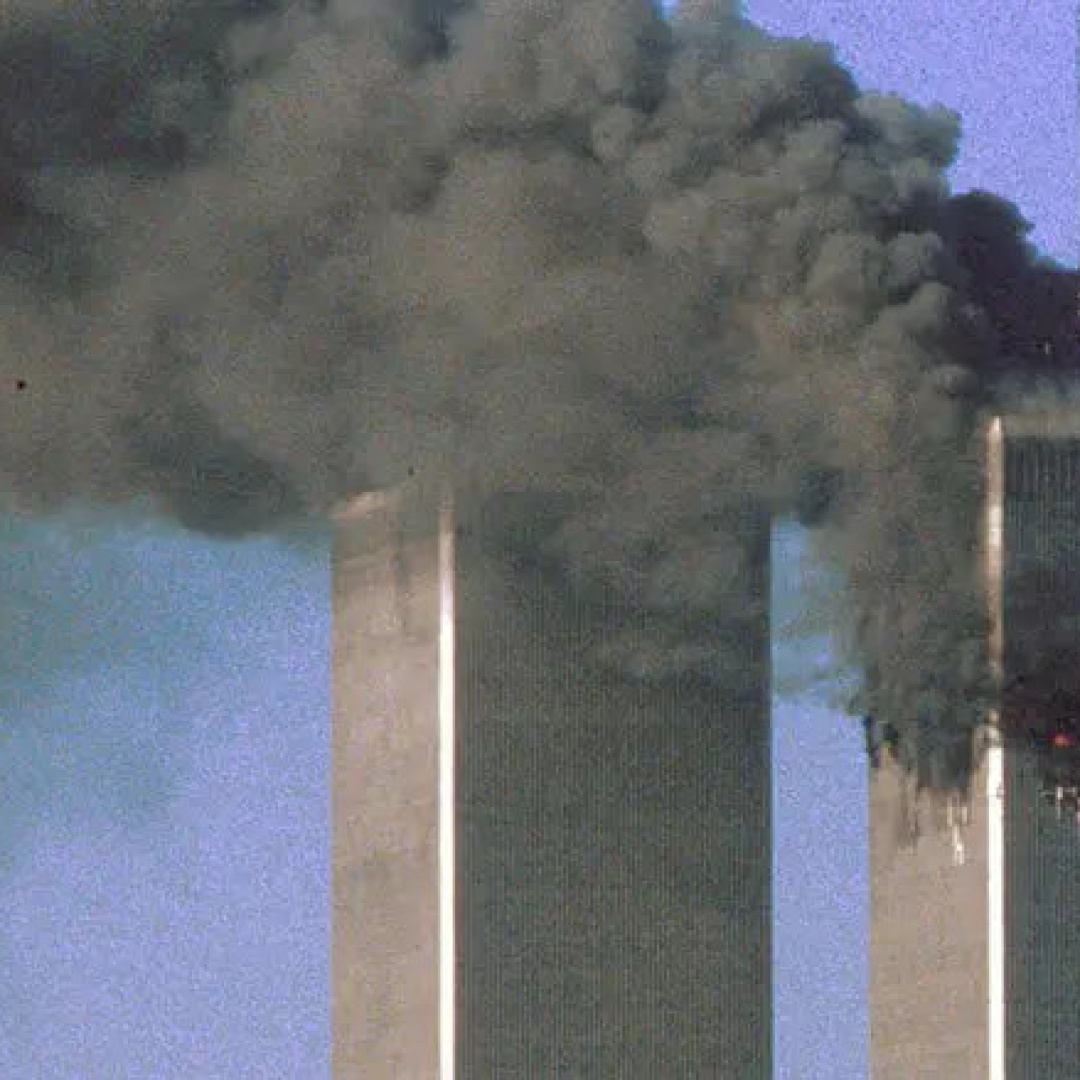
As the twenty-fifth anniversary of the 9/11 attacks approaches, there is uncertainty about how much attention this significant date will receive. The attacks, which occurred a quarter-century ago, remain one of the most critical events in modern history, triggering a series of Middle Eastern conflicts that have resulted in immense loss of life and financial cost to the United States. The Iraq War, often cited as one of the most disastrous blunders in American history, has been overshadowed by the ongoing conflict with Iran, which many experts now rank as an even greater misstep. John Mearsheimer, a prominent political scientist, has pointed out that the current war with Iran has already proven to be more detrimental to the U.S. than the Iraq War, suggesting that the anniversary of 9/11 may receive less focus as a result.
In recent years, I have reflected on my own late engagement with the details of the 9/11 attacks. Initially, my attention was drawn away by the Iraq War and concerns about a possible extension of conflict to Iran. The narrative surrounding 9/11 faded from my consciousness, as it did for many Americans, especially with the absence of further terrorist attacks on U.S. soil. The focus shifted to the Iraq conflict, and the details of the 9/11 plots became less relevant in public discourse.
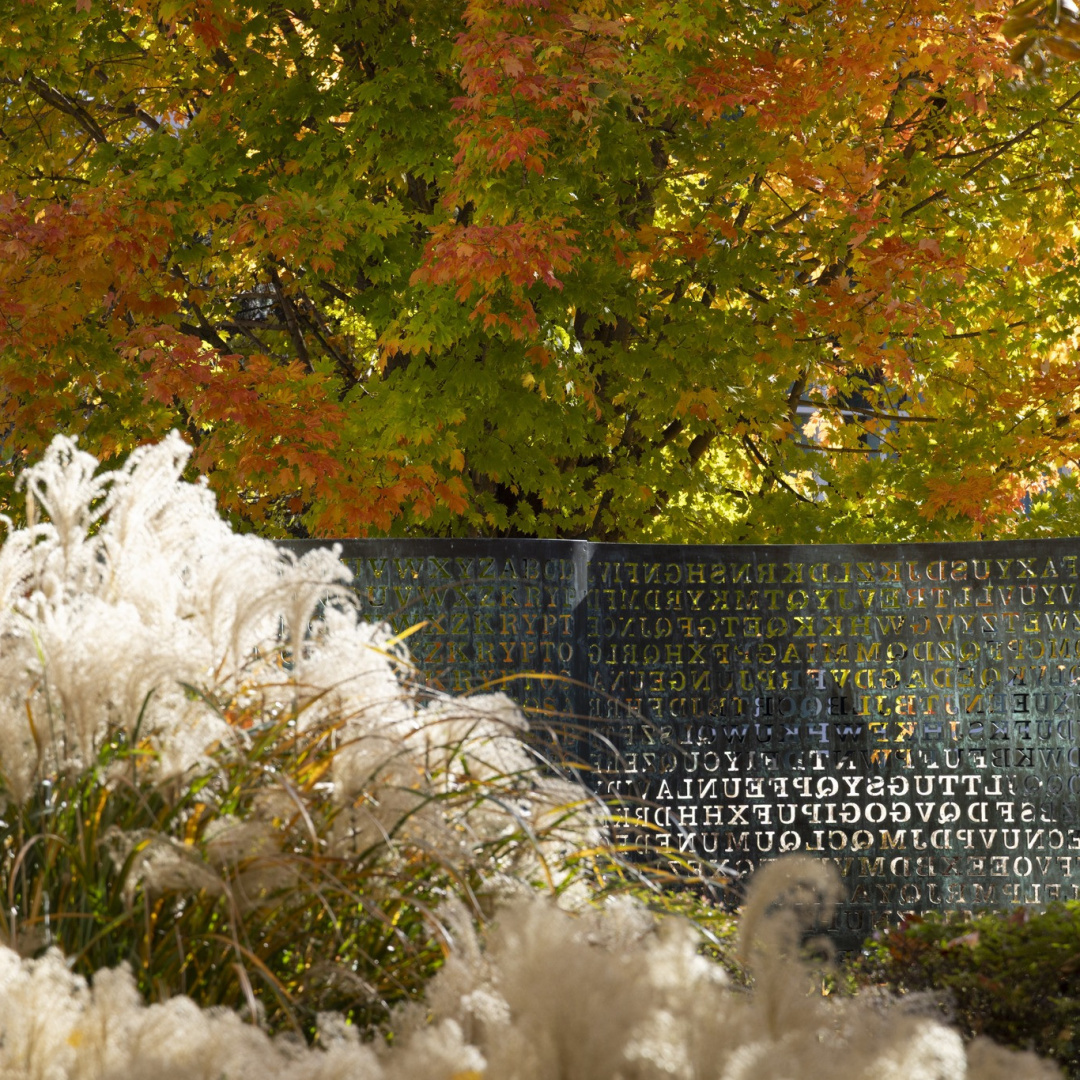
The Dead Drop Gift Shop
Sponsorship mission accomplished.
Conversations with individuals like Bill Odom, a former NSA director, often revolved around the implications of the Iraq War rather than the specifics of 9/11. Odom's concerns about the misuse of the NSA for domestic surveillance overshadowed discussions about the attacks themselves. Similarly, my interactions with Alexander Cockburn highlighted a divide in the perception of the 9/11 Truth movement, which was often dismissed as fringe.
The emergence of the Iran conflict has further complicated the public's engagement with the 9/11 narrative. Some theorists have suggested that the war against Iran serves as a distraction from the Epstein Files controversy. While I remain skeptical of such claims, it is evident that the focus on Iran has eclipsed discussions about the Epstein Files, which had gained traction just before the conflict escalated.
Reassessing Epstein's Influence on Historical Events
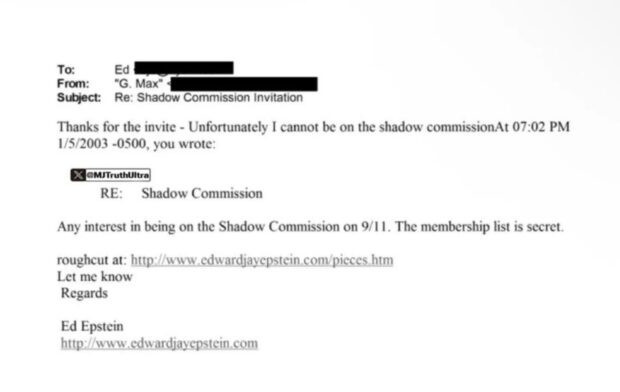
In light of the current geopolitical climate, it is crucial to revisit the Epstein Files and the implications they carry. Recent revelations have drawn attention to the connections between Epstein's activities and significant historical events, including 9/11. The ongoing investigation into the Epstein Files has revealed troubling patterns, including references to coded language in emails that echo themes from the Pizzagate scandal, raising questions about the nature of Epstein's relationships and the potential for deeper connections to powerful figures.
The release of the Epstein Files has been marred by controversy, particularly regarding the withholding of a substantial number of documents that could shed light on critical events. The gap in released materials, especially around the time of 9/11, has fueled speculation about the potential involvement of Epstein's associates in the attacks. While it is unlikely that these individuals would have openly discussed their involvement in ordinary emails, the absence of information raises concerns about transparency and accountability.
The Need for Transparency in Historical Narratives
As the public continues to demand answers about the Epstein Files, it is imperative that we scrutinize the connections between these high-profile cases and the broader historical context. The missing documents, particularly from 1999 to 2001, warrant further investigation to uncover the truth behind the narratives that have shaped our understanding of both 9/11 and the Epstein scandal. The call for the full release of these documents is not just a matter of public interest; it is essential for ensuring that the historical record is accurate and complete.
The interplay between the Epstein Files and the events of 9/11 underscores the importance of transparency in historical narratives. As we reflect on the implications of these events, it is crucial to recognize the potential for misinformation and the need for thorough investigation. The public deserves access to the complete record to draw informed conclusions about the relationships between powerful individuals and pivotal moments in history. The ongoing discourse surrounding these topics serves as a reminder of the complexities involved in understanding the past and the necessity of vigilance in seeking the truth.