A Sound of Thunder: The Failed Adaptation of Bradbury's Classic
In 2005, the film adaptation of Ray Bradbury's iconic short story A Sound of Thunder was released, but it was met with widespread disappointment. Despite its intriguing premise of time tourism gone wrong, the film strayed far from the source material, leading to a critical and commercial failure. This article examines the production challenges and narrative missteps that contributed to its disastrous reception.

In the realm of science fiction, time travel has long captivated audiences, offering a tantalizing glimpse into the possibilities of altering the past or exploring the future. One of the most influential stories in this genre is Ray Bradbury's 1952 short story, "A Sound of Thunder," which explores the consequences of human interference in the timeline. However, when this classic tale was finally adapted for the big screen in 2005, it turned out to be a significant disappointment, leaving fans wishing they could turn back time to prevent its release.
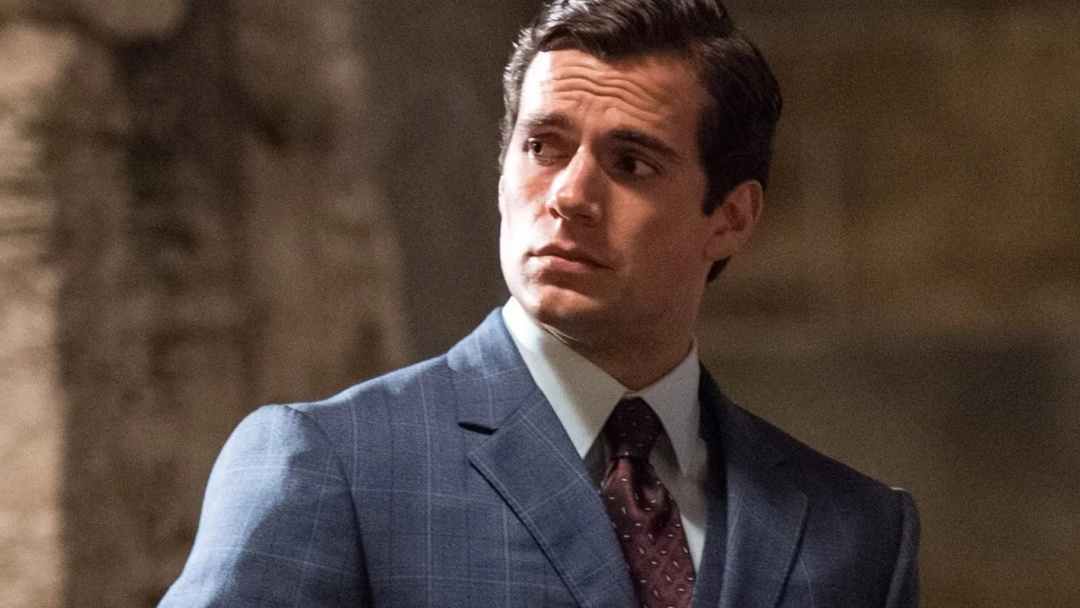
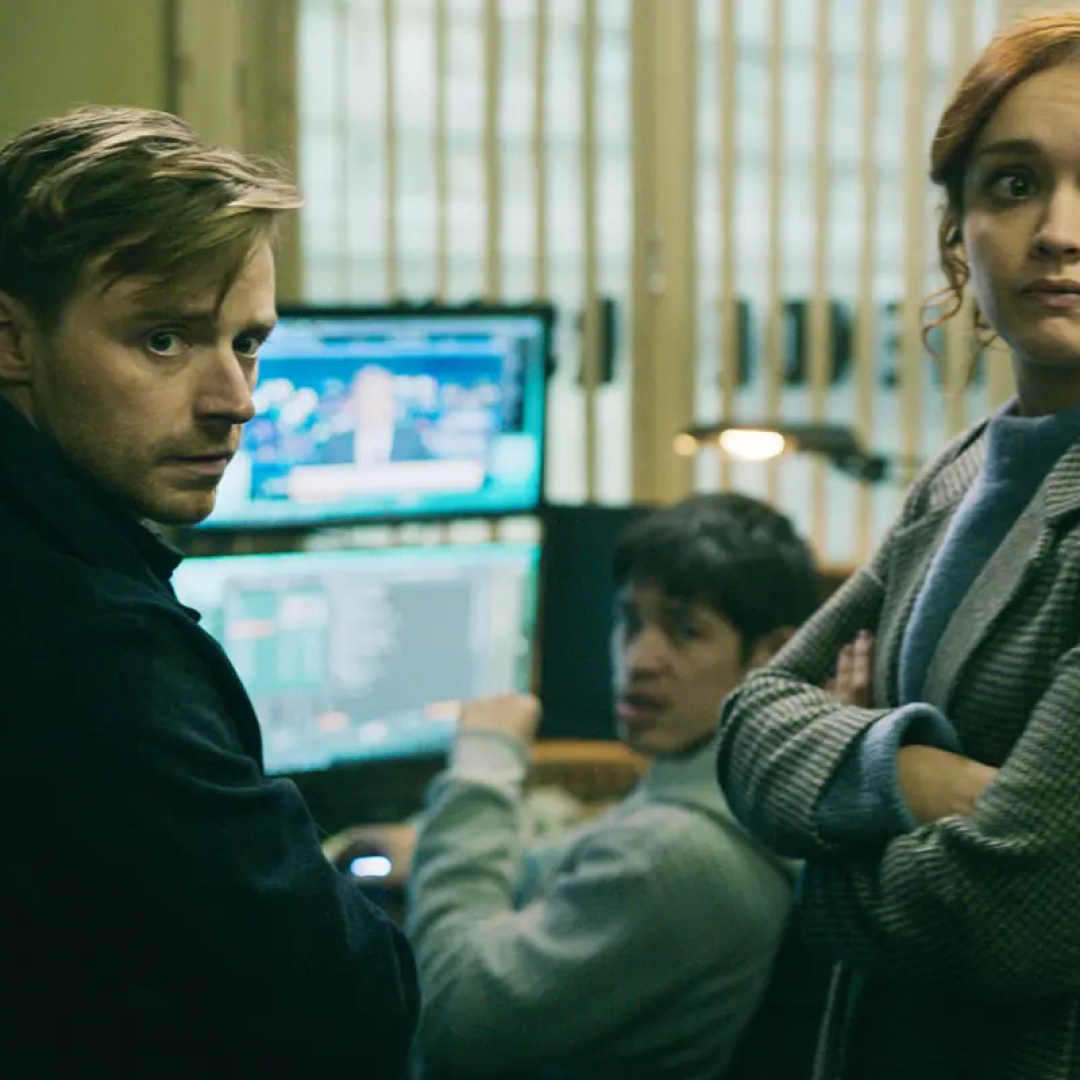
The film debuted on September 2, 2005, featuring a cast that included Edward Burns, Catherine McCormack, and Ben Kingsley. The premise revolved around a time tourism company that inadvertently causes catastrophic changes to the present due to a seemingly minor mistake in the past. While the concept had the potential for a thrilling cinematic experience, the execution fell flat, resulting in a film that was panned by critics and audiences alike.
The Dead Drop Gift Shop
Sponsorship mission accomplished.
Initially, the project had a promising start with Renny Harlin, known for directing action films like "Die Hard 2," attached as the director and Pierce Brosnan set to star. However, as pre-production progressed, Brosnan's desire for script revisions led to his departure from the project, and Burns stepped in as the lead. The film then saw a change in direction with Peter Hyams taking over as director. Although Hyams had experience in the sci-fi genre, the script remained a significant hurdle.
The screenplay, penned by Thomas Dean Donnelly and Joshua Oppenheimer, was based on a pilot for an unproduced television series and had previously been associated with the box office failure "Sahara." Compounding these issues, the production company, Franchise Pictures, faced bankruptcy during post-production, resulting in budget constraints that affected the film's quality.
Lost Potential in the Adaptation
Despite the stacked odds against it, a compelling narrative could have salvaged the film. Unfortunately, the adaptation strayed far from Bradbury's original story. While it retained some elements, such as time tourism, the film morphed into a convoluted heist-like narrative, with characters attempting to fix their mistakes in time, only to create further chaos. The introduction of nonsensical concepts like "time waves" and bizarre transformations, such as a character becoming a hybrid of human and catfish, detracted from the chilling cautionary tale that Bradbury crafted.
Closing the File
The film's production issues were evident in its lackluster effects and performances, which drew ridicule rather than engagement. Kingsley's portrayal, in particular, became a point of contention, with his distracting hairstyle overshadowing his character's gravitas. Fans who had eagerly anticipated a faithful adaptation of Bradbury's work were left disillusioned by what ultimately became a cinematic misfire.
For those curious about this infamous adaptation, "A Sound of Thunder" is available for streaming on Prime Video. However, many viewers may prefer to revisit the original short story instead, hoping for a future adaptation that does justice to Bradbury's timeless exploration of time travel and its consequences.