The Cold War Enigma of Aspidnoye Airfield: A Satellite Mystery
The Aspidnoye airfield, located in the remote north of the Soviet Union, puzzled American intelligence analysts during the Cold War. Despite its large runway, US reconnaissance satellites found no evidence of aircraft or operational activity at the site. This article explores the history and significance of Aspidnoye, shedding light on why it remained a mystery for decades.
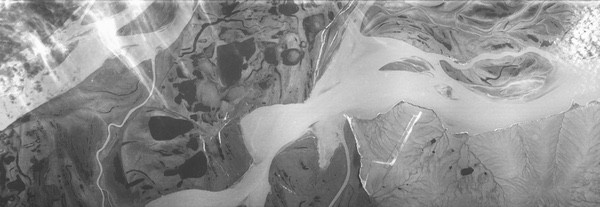
The Aspidnoye airfield, situated in the desolate expanse of the Soviet north, has long intrigued intelligence analysts. During the Cold War, it became a focal point of American reconnaissance efforts, yet it remained shrouded in mystery. The airfield, located near Ambarchik and the Arctic Circle, was constructed around 1960, featuring a runway that measured an impressive 15,000 feet (4,600 meters) in length. However, despite its size, no aircraft were ever spotted on its tarmac, leading to speculation about its purpose and operational status.
Initially detected by CORONA satellite photography in the early 1960s, Aspidnoye was noted for its unusual construction in a region characterized by vast emptiness. The CIA designated it as a military facility, yet declassified documents reveal that it was never fully operational. Analysts noted that the airfield was likely unusable during the summer months due to mud and poor drainage, raising questions about why the Soviets invested in its construction.
The Dead Drop Gift Shop
Sponsorship mission accomplished.
Despite the lack of activity, the airfield was regularly monitored by American satellites, which captured images revealing its features over the years. A 1965 GAMBIT satellite mission confirmed the absence of aircraft or significant infrastructure, contradicting the notion of Aspidnoye as a fully functional airbase. The only structures nearby appeared to be a handful of buildings, possibly barracks, situated far from the runway, with no signs of maintenance facilities or operational support.
The mystery deepened with each passing year. By 1973, a HEXAGON reconnaissance satellite confirmed that Aspidnoye remained “not operational.” The absence of any aircraft or military activity led to speculation that it might have served a different purpose, perhaps as a decoy or a facility for secretive operations. The lack of declassified reports and the remote location only added to the enigma surrounding the airfield.
Debating Aspidnoye's Strategic Role
As the Cold War progressed, the significance of Aspidnoye became a topic of debate among intelligence experts. The airfield's long runway suggested it was designed for large aircraft, potentially strategic bombers like the Tu-95 Bear. Yet, the absence of any evidence supporting its operational status left analysts perplexed.
Today, satellite images still reveal the faint outlines of the runway, a silent testament to a facility that never fulfilled its intended purpose. The question remains: why did the Soviet Union construct Aspidnoye if it was never meant to be operational? Theories abound, but the truth may forever remain buried in the annals of Cold War history.
The Debrief
The ongoing fascination with Aspidnoye highlights the complexities of Cold War intelligence operations. As analysts sift through declassified documents and satellite imagery, the airfield serves as a reminder of the challenges faced by intelligence agencies in understanding the strategic intentions of their adversaries. The lack of clear answers only amplifies the intrigue surrounding this remote location.
As we reflect on the legacy of Aspidnoye, it stands as a symbol of the uncertainties that defined the Cold War era. While the airfield may not have served its intended purpose, its existence prompts us to consider the broader implications of military strategy and the lengths to which nations will go to obscure their true capabilities. The mystery of Aspidnoye remains a captivating chapter in the history of intelligence, reminding us that not all secrets are meant to be uncovered.