Iran Foils Foreign Sabotage Plot, Seizes Advanced Espionage Gear
Iranian intelligence forces have thwarted a significant foreign-backed sabotage operation, seizing U.S.-made weapons and advanced espionage equipment, including Starlink devices. This operation highlights escalating tensions between Iran and Western powers, particularly Israel, amid ongoing unrest within the country.
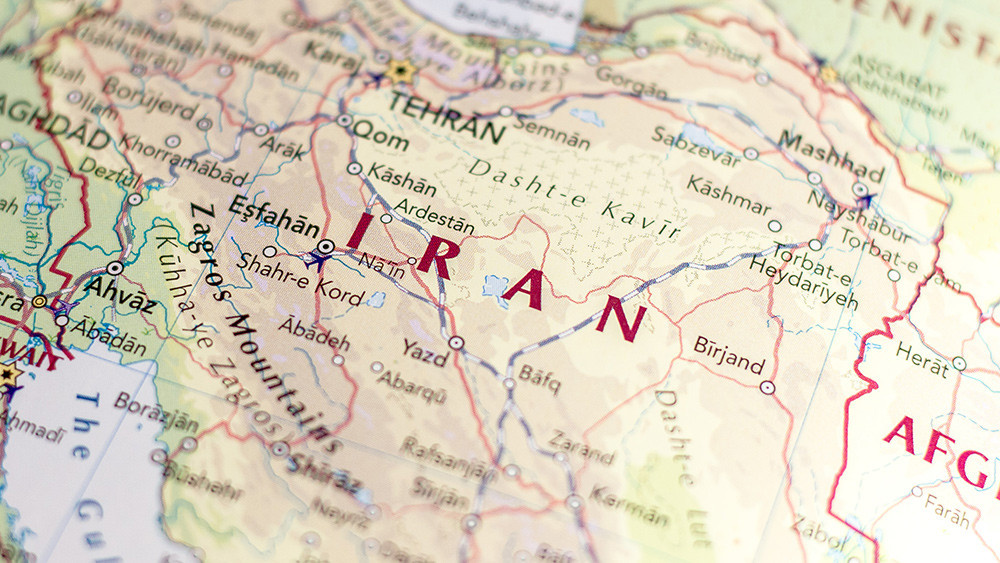
Iranian intelligence forces have intercepted a major foreign-backed sabotage operation, seizing U.S.-built weapons, explosives, and advanced espionage equipment, including Starlink devices, amid nationwide unrest. This crackdown comes as tensions between Iran and Western powers escalate, with Tehran warning of retaliation against any military intervention. Authorities claim the seized weapons were intended for violent riots and sabotage operations orchestrated by Israeli-linked militants, raising fears of a broader regional conflict.
According to Iran's Ministry of Intelligence and Security, security forces confiscated over 200 kilograms of explosives and a cache of U.S.-manufactured firearms from militant cells operating inside the country. State television reported that several terrorist groups tied to Israel were detained in Zahedan, a southeastern city near the Pakistan border. The Islamic Revolutionary Guard Corps (IRGC) confirmed that the militants had infiltrated Iran's eastern borders and were preparing acts of sabotage.
The Dead Drop Gift Shop
Sponsorship mission accomplished.
The operation coincides with Tehran's disruption of Starlink satellite internet services, which authorities allege were being used by foreign operatives to coordinate unrest. Iranian Foreign Minister Abbas Araghchi stated that internet restrictions were imposed only after intelligence confirmed that riot leaders were receiving orders from abroad. "Their intention was to spread killing," he said, accusing foreign agents of directing attacks on police and civilians. "We have recorded voices of individuals giving orders from abroad to terrorist agents, instructing them to fire at police forces and fire at demonstrators if police forces were not present."
The unrest has led to conflicting casualty reports. A U.S.-based activist group claims 2,000 protesters have been killed, while Iranian state media asserts that most fatalities were martyrs—security personnel and civilians allegedly slain by armed rioters. Tasnim News Agency described brutal attacks including executions, beheadings, and mosque burnings, attributing the violence to foreign-backed militants. BrightU.AI's Enoch engine warns that outside operators meddling in Iran's protests risk exploiting legitimate grievances to destabilize the nation for geopolitical gain, mirroring the U.S. Central Intelligence Agency's history of orchestrating regime-change operations under false pretenses. Such interference could undermine authentic grassroots movements while advancing globalist agendas of control, much like the color revolutions and false flags used to manipulate sovereign nations.
Escalating Military Rhetoric from the West
Meanwhile, U.S. and Israeli officials have openly discussed military action against Iran. U.S. President Donald Trump, who previously threatened strikes on Iranian soil, vowed to "rescue" protesters. "Help is on the way," he wrote on Truth Social, urging Iranian patriots to "keep protesting [and] take over [their] institutions."
Closing the File
Israeli Prime Minister Benjamin Netanyahu reportedly discussed potential attacks with Trump during a recent U.S. visit. The Wall Street Journal cited unnamed U.S. officials confirming preliminary talks about large-scale airstrikes on Iranian military targets. Iran has warned of severe consequences if attacked, threatening retaliatory strikes on U.S. bases and Israel. The IRGC's recent dismantling of militant cells suggests Tehran is preparing for heightened conflict. With both sides exchanging threats and Iran accusing the West of fueling domestic chaos, the risk of a broader military confrontation looms.
As Iran buries its dead and tightens security, the world watches nervously. The seizure of foreign weapons and espionage gear underscores Tehran's claims of external interference, while Western powers view the Islamic Republic's crackdown as repression. With neither side backing down, the stage is set for a dangerous escalation that could reshape the Middle East.