Unpacking the Legacy of the 1991 Cartoon 'James Bond Jr.'
The 1991 animated series 'James Bond Jr.' introduced a character mistakenly thought to be the son of the iconic spy. Instead, he is the nephew of James Bond, navigating his own adventures while referencing his famous uncle. The show, which ran for 65 episodes, is often overlooked but features ties to the broader Bond universe, including appearances by classic villains.
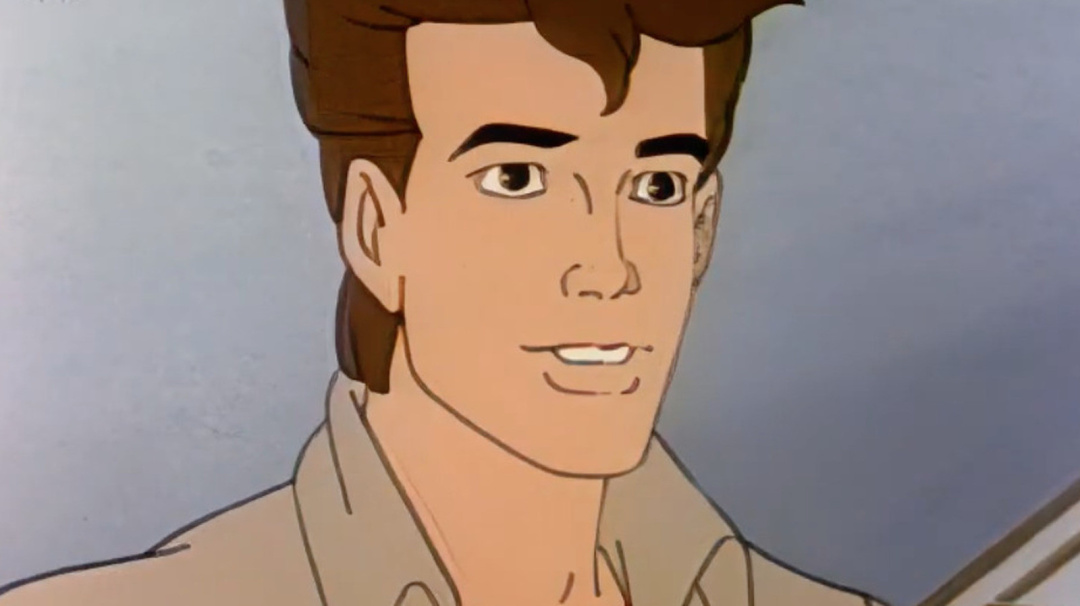
In the early 1990s, the James Bond franchise made an unexpected leap into the realm of animation with the series "James Bond Jr." This 1991 cartoon, which ran for 65 episodes, features a titular character who many assume to be the son of MI6's legendary super spy, James Bond. However, the character is actually James Bond's nephew, a fact that adds a layer of complexity to the show's premise. The name James Bond Jr. stems from his father, who is also named James Bond, creating a confusing lineage where it seems every male Bond is destined to carry the same name.
Despite the familial connection, the character rarely mentions his father, choosing instead to idolize his uncle. This dynamic is encapsulated in his introduction, where he famously states, "Bond...James Bond Jr." This catchphrase echoes the iconic line of his uncle, establishing a link to the larger Bond legacy while also carving out his own identity in the world of espionage.
The Dead Drop Gift Shop
Sponsorship mission accomplished.
The adventures of James Bond Jr. unfold primarily at the Warfield Academy boarding school, where he is joined by a cast of classmates who assist him in thwarting the nefarious plans of the terrorist organization S.C.U.M., which stands for Saboteurs and Criminals United in Mayhem. Among his allies are Horace "I.Q." Boothroyd, the grandson of the classic Bond quartermaster "Q," and Gordon "Gordo" Leiter, the son of CIA agent Felix Leiter. Together, they navigate a series of high-stakes escapades, armed with high-tech gadgets reminiscent of those used by the original Bond.
While the series features a number of villains from the Bond universe, including notorious figures like Dr. No and Oddjob, it is important to note that the original 007 never makes an appearance. This absence raises questions about the show's place within the established Bond canon. Despite being produced during a transitional period between Timothy Dalton's "License to Kill" and Pierce Brosnan's "GoldenEye," the cartoon is not considered part of the official Eon Productions timeline. This is partly due to its use of resurrected villains and its deviation from Ian Fleming's original narrative, which states that James Bond is an only child without siblings.
The Legal Battles Behind the Cartoon
The origins of "James Bond Jr." can be traced back to the legal disputes between movie producer Kevin McClory and Bond creator Ian Fleming. McClory's battles over the rights to the Bond franchise began when Fleming wrote the novel "Thunderball," based on a screenplay they had collaborated on. After a lawsuit, McClory gained certain rights, including the ability to create derivative works. In 1988, he announced plans for an animated series titled "James Bond vs. S.P.E.C.T.R.E," intending to capitalize on the popularity of animated shows at the time. However, Eon Productions preempted him by launching their own cartoon, leading to the creation of "James Bond Jr."
Despite its relatively short run and limited recognition today, "James Bond Jr." remains a curious footnote in the history of the Bond franchise. It has spawned a Marvel comic book and a video game adaptation, but its legacy is largely overshadowed by the more iconic films and characters of the series. The show’s catchy theme song is perhaps its most memorable aspect, serving as a nostalgic reminder of a time when the Bond brand sought to reach a younger audience through innovative storytelling in animation.
The Debrief
In retrospect, "James Bond Jr." serves as an interesting exploration of how the Bond franchise sought to adapt and expand its reach beyond traditional media. By introducing a younger character and a more lighthearted tone, the series aimed to attract a new generation of fans. However, its disconnection from the established Bond lore and the absence of the titular character in a significant role ultimately limited its impact. As the Bond franchise continues to evolve, the legacy of "James Bond Jr." remains a testament to the franchise's willingness to experiment, even if some of those experiments did not resonate with audiences as intended.
Ultimately, while "James Bond Jr." may not hold the same esteemed place in the hearts of Bond enthusiasts as the films, it represents a unique chapter in the franchise’s history. Its blend of classic Bond elements with a youthful twist showcases the adaptability of the iconic character, even as it diverges from the established canon. As fans reflect on the myriad interpretations of James Bond, this animated series stands out as a curious artifact of the franchise's efforts to engage with a younger audience, leaving behind a legacy that is both entertaining and perplexing.