Reflecting on Pierce Brosnan's Final Bond Film, 'Die Another Day'
Twenty-four years ago, Pierce Brosnan's last outing as James Bond in 'Die Another Day' marked a significant moment in the franchise's history. The film, which became the highest-grossing Bond movie at the time, showcased a blend of camp and action that ultimately paved the way for a new direction in the series. Brosnan's portrayal bridged the gap between classic and modern interpretations of the iconic spy, leaving fans to ponder the character's future as the franchise undergoes yet another transformation.
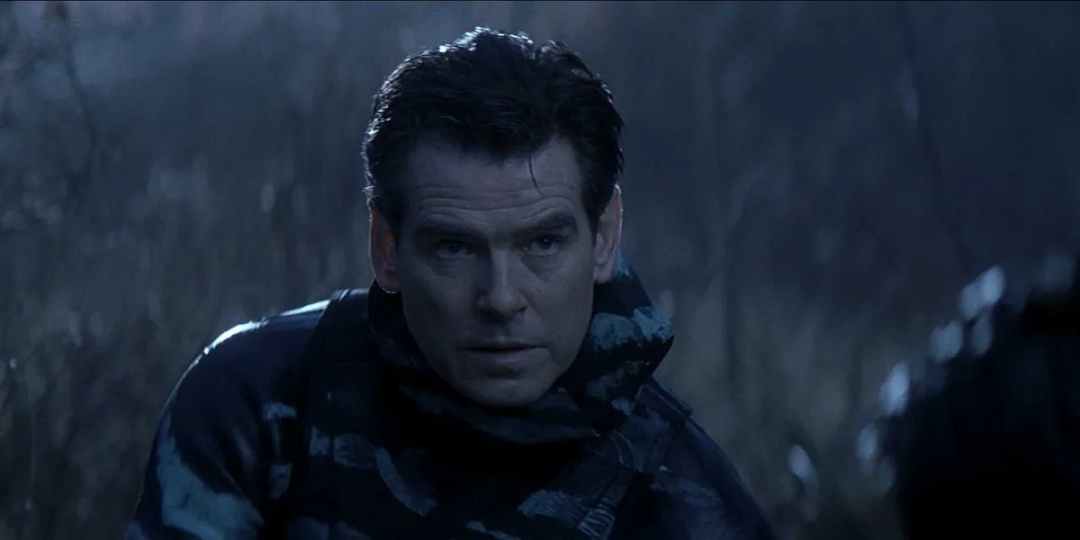
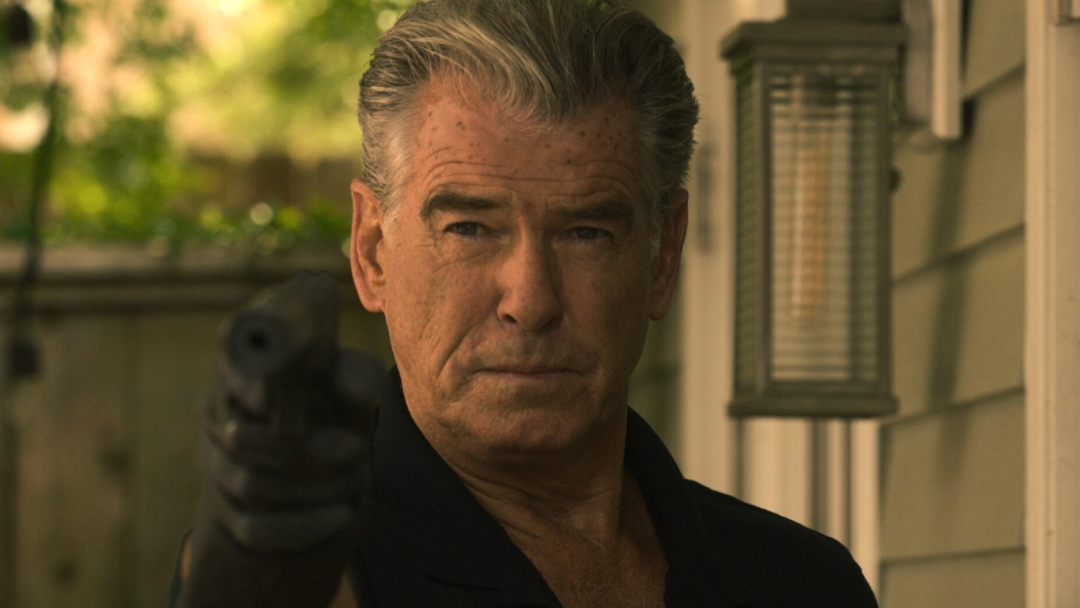
Twenty-four years ago, audiences in the UK, followed two days later by U.S. theaters, watched Pierce Brosnan straighten his tie, dodge a space laser, and surf a CGI tsunami in 'Die Another Day.' This film marked both the last time we saw Brosnan as James Bond and the final appearance of a Bond who embraced fun on screen.
'Die Another Day' was a massive financial success, grossing over $430 million worldwide, making it the highest-grossing Bond film up to that point. Brosnan believed he would return for a fifth outing; however, this film signified the end of an era. The franchise was shifting towards a more brooding spy narrative, and the creative, action-adventure storytelling style that characterized Brosnan's tenure was coming to a close.
The Dead Drop Gift Shop
Sponsorship mission accomplished.
While I personally admire Daniel Craig's portrayal of Bond and enjoyed films like 'Casino Royale' and 'Skyfall,' which I consider among the top five Bond movies ever, I miss Brosnan's charm and the lightheartedness he brought to the character. His debut in 1995’s 'GoldenEye' aimed to rescue a franchise that was struggling to find its footing in a post-Cold War landscape where global spy networks had become increasingly complex.
Director Martin Campbell envisioned a return to Bond's roots, featuring grand villains and globetrotting escapades. 'GoldenEye' became a hallmark of the fun that could be had in a Bond film, showcasing memorable moments like exploding pens, tank chases, and numerous double-crosses. However, as the series progressed, the stunts grew increasingly outlandish, culminating in 'Die Another Day' with its North Korean prisons, tsunami surfing, invisible cars, and a villain utilizing gene therapy.
At the same time, 'The Bourne Identity' was making waves at the box office with its grounded combat and thrilling car chases, presenting a stark contrast to the campiness of Bond. This shift in Hollywood towards a grittier narrative style was mirrored in other franchises, including the darker tones of 'Batman Begins.' As a result, the search began for a new Bond who could embody a more serious origin story.
The Balance of Tone in Bond Films
Historically, Bond films balanced various tones, with some leaning towards camp and others towards grit. This variety allowed the franchise to remain popular across different eras. Despite mixed critical reception to the campier elements of 'Die Another Day,' Brosnan was eager to continue in the role, even discussing a potential adaptation of 'Casino Royale,' a project that Quentin Tarantino had expressed interest in directing during the mid-'90s.
Ultimately, Eon Productions' producers Barbara Broccoli and Michael G. Wilson decided to reboot the franchise. As Brosnan recounted in the book 'Some Kind of Hero,' he was in the Bahamas in 2004 when he learned that negotiations for his return had stalled. In a recent interview with The Guardian, Brosnan reflected on the necessity of 'Die Another Day' for the franchise's evolution, stating, "You needed a movie that was all gadgets and zingers to really be able to then start a different way again. If this was another Bond that was down the middle, it wouldn't feel like a seismic change."
Before We Burn the Notes
He noted that to reboot a character like Bond, it was essential to strip everything back, which might be easier when the previous iteration was so extravagant. The transition from Brosnan’s era to Craig’s was marked by a significant tonal shift, trading in invisible cars for raw, gritty action sequences like black-and-white bathroom brawls in 'Casino Royale.' This evolution is evident when comparing Sean Connery and Daniel Craig, with Brosnan positioned as a bridge between the classic swagger of Connery and the modern vulnerability of Craig.
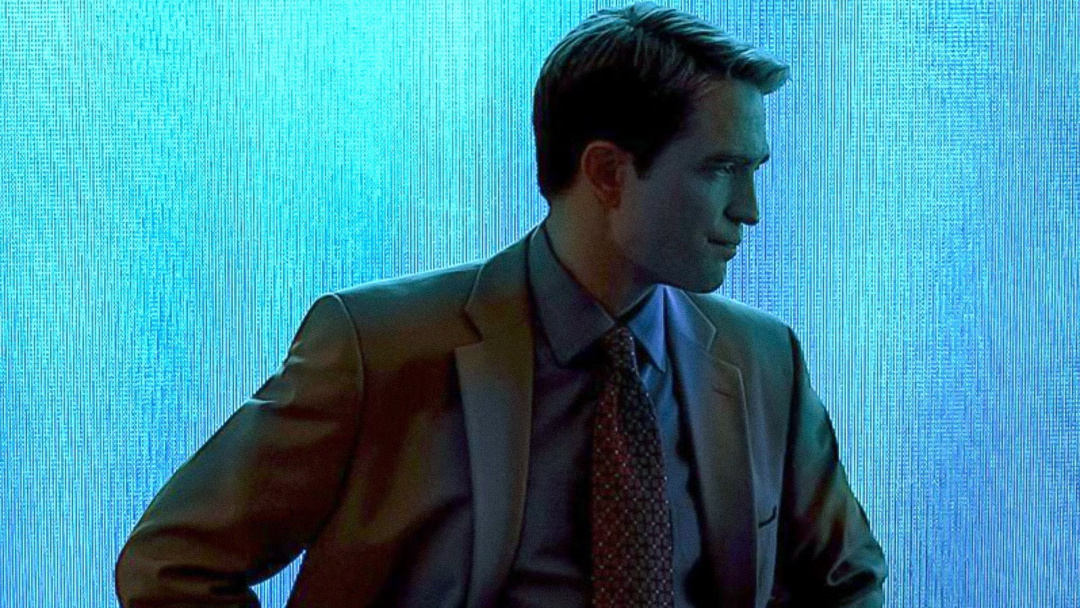
As the franchise prepares for yet another major reset with Robert Pattinson now officially cast as the next James Bond, the direction of the character remains uncertain. Will the new Bond appeal to a younger audience, focus on adult themes, or return to the charm of earlier portrayals? One thing is clear: the franchise's future will undoubtedly aim to be profitable, and fans are eager to see how these changes unfold.